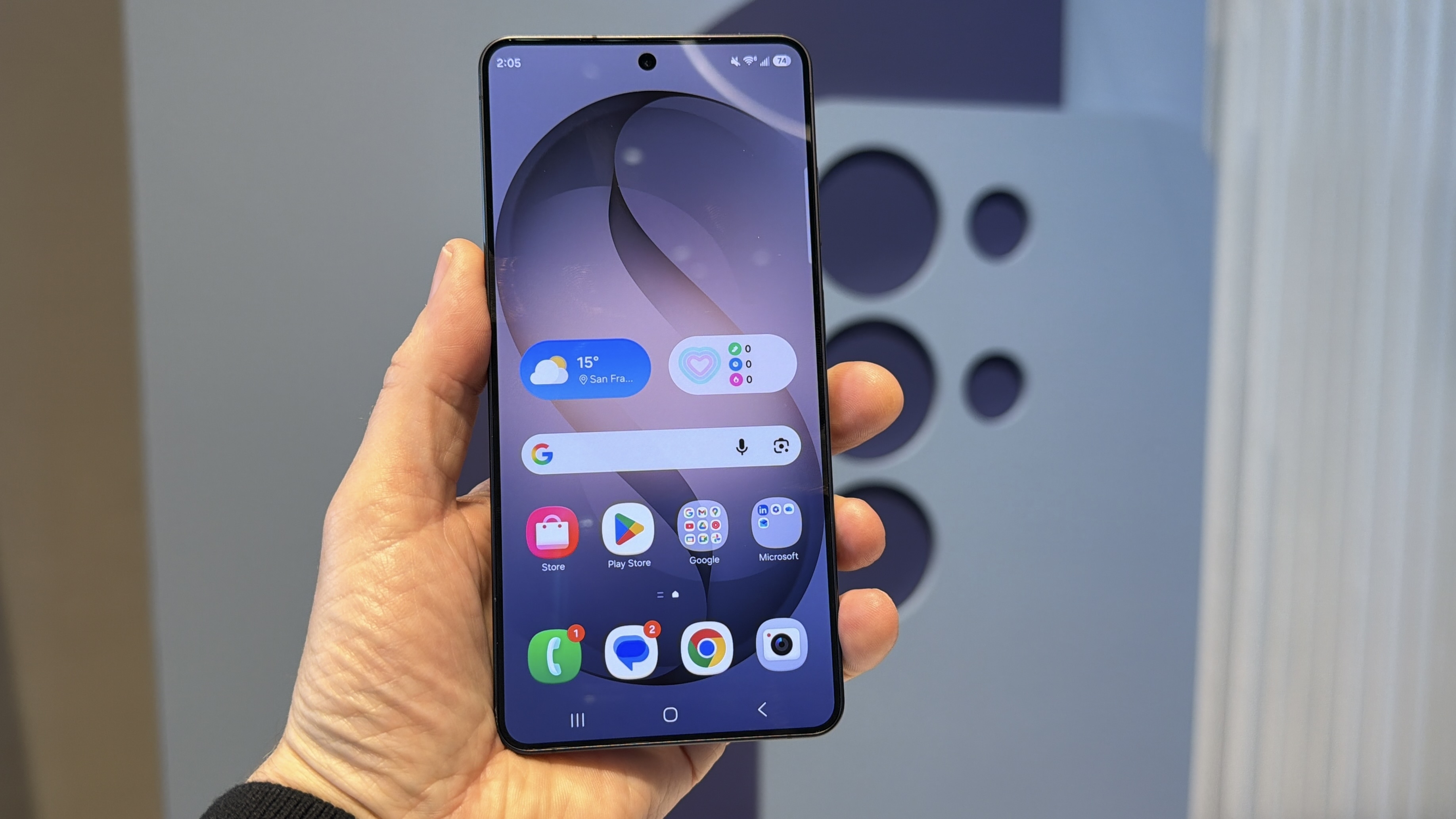
Quick Specs
Our Verdict
The Samsung Galaxy S26 Ultra introduces an innovative privacy display, but laboratory measurements reveal a surprising shortfall in display quality compared to its predecessor. An editorial analysis of what the numbers mean and whether the trade-off is worth it.
How We Prepared This Review
Prepared by our editorial team using verified source material, product research, and a British-English editorial rewrite before publication.
- Our editorial team reviews the working bundle for product facts, tradeoffs, and decision-useful details before publication.
- Source material can be translated into British English and rewritten into our house style without carrying publication branding into the body copy.
- Affiliate links are handled separately from the editorial verdict.
Affiliate links never determine our verdicts. Commercial relationships are disclosed separately from the editorial assessment.
Pros & Cons
Pros
- Innovative privacy display — narrows viewing angle to protect screen content
- Outstanding anti-reflection coating for outdoor visibility
- Excellent dual-telephoto camera system
- Very high processing speed
- Integrated S Pen
- Superb battery life
Cons
- Display measurements fall short of the Galaxy S25 Ultra
- Privacy display technology appears to affect measured brightness and colour accuracy
- Average charging speed for a flagship
- Premium pricing above €1,000
Full Specifications
Key Features
Innovative privacy display — narrows viewing angle to protect screen content
Outstanding anti-reflection coating for outdoor visibility
Excellent dual-telephoto camera system
Very high processing speed
Integrated S Pen
Superb battery life
Samsung Galaxy S26 Ultra: Display Quality Under the Microscope
The Samsung Galaxy S26 Ultra arrives as Samsung's flagship smartphone for 2026, and on paper it should have the best display Samsung has ever put in a phone. The reality, however, is more nuanced. Laboratory measurements reveal a surprising shortfall in display quality that appears to be linked directly to one of the phone's headline features: the innovative privacy display.
Samsung's Ultra Models: Leading the Way on Anti-Reflection
Samsung's Ultra-series phones have consistently led the market in display anti-reflection technology. The Galaxy S26 Ultra continues this trend, delivering one of the most reflection-resistant screens available on any smartphone. In bright outdoor environments, the display remains highly legible with minimal glare — a practical advantage that is immediately noticeable in everyday use.
The S26 Ultra pushes this further with its new privacy display feature, which restricts the viewing angle to prevent people nearby from reading your screen. It is an innovative addition, particularly for business users and anyone who values visual privacy in public spaces.
The Hidden Cost of the Privacy Display
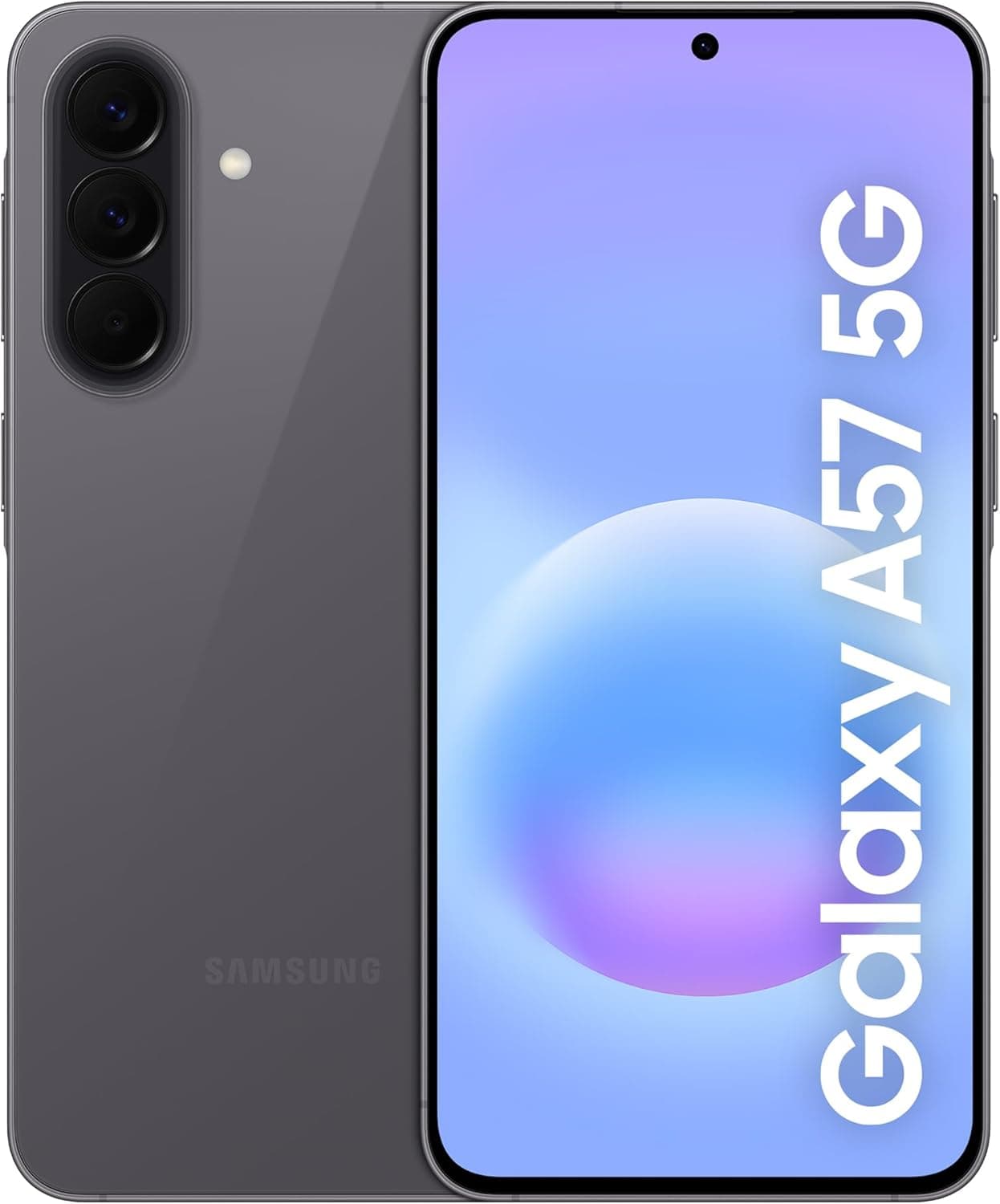
Here is where the analysis becomes interesting. When the display quality of the Galaxy S26 Ultra is measured under laboratory conditions, the results are unexpectedly disappointing — particularly when compared to Samsung's own Galaxy S25 Ultra.
The privacy display technology appears to come with a trade-off. The mechanism that narrows the viewing angle to protect on-screen content simultaneously affects the display's measured brightness, colour accuracy, and overall uniformity in certain testing scenarios. In simple terms, the feature that makes the screen more private also makes it measurably less impressive on traditional display benchmarks.
This does not mean the S26 Ultra has a bad screen — far from it. In subjective daily use, the display is superb: vivid, sharp, extremely bright, and smooth. The issue is that the technical measurements do not match the superlatives that Samsung's flagship pricing demands. For a phone at over €1,000, buyers and reviewers expect the display to lead every measurable category, and the S26 Ultra does not quite manage that.
Comparing the Galaxy S Ultra Generations
Across the last three generations of Samsung's Ultra models, the display quality trajectory has been interesting:
- Galaxy S24 Ultra: Strong brightness, excellent camera with 200MP and dual telephoto, good battery life, very high performance.
- Galaxy S25 Ultra: Improved to outstanding battery life, a very bright and reflection-resistant screen, integrated S Pen, very high performance. Rated 1.2 (very good).
- Galaxy S26 Ultra: Adds the innovative privacy display, very good dual-telephoto camera, integrated S Pen. However, display measurements do not surpass the S25 Ultra. Average charging speed remains a weak point.
The S26 Ultra's key additions — the privacy display and refined camera — are genuine improvements. But the display quality, by the numbers, is not the generational leap that buyers might expect. The S25 Ultra arguably offers a more straightforwardly excellent display experience if privacy viewing is not a priority.
And the Competition?
The main competitor at this level remains the Apple iPhone 17 Pro, which offers a versatile telephoto camera system, a large battery, and a very bright display of its own. The iPhone 17 Pro does not offer Samsung's privacy display feature, but it also does not carry the same measurement compromises.
Conclusion
The Samsung Galaxy S26 Ultra is undeniably an exceptional smartphone. Its camera system, processing power, battery life, and build quality are all at the very top of the market. The privacy display is a genuinely innovative feature that no direct competitor currently matches. However, the display measurement results are a surprise — and a disappointment for a device at this price tier. Buyers who prioritise raw display quality above all else may find the Galaxy S25 Ultra or even a competitor offers a stronger screen on paper, even if the S26 Ultra's real-world visual experience remains excellent.
Ready to Purchase?
Check current prices and availability on Amazon
Affiliate Disclosure: Truthful Reviews is a participant in the Amazon Services LLC Associates Program and Amazon EU Associates Programme, affiliate advertising programs designed to provide a means for sites to earn advertising fees by advertising and linking to Amazon.com and Amazon.co.uk. This means if you click on an Amazon link and make a purchase, we may receive a small commission at no extra cost to you. This helps support our independent testing and honest reviews. Our editorial content is never influenced by advertisers or affiliate partnerships.