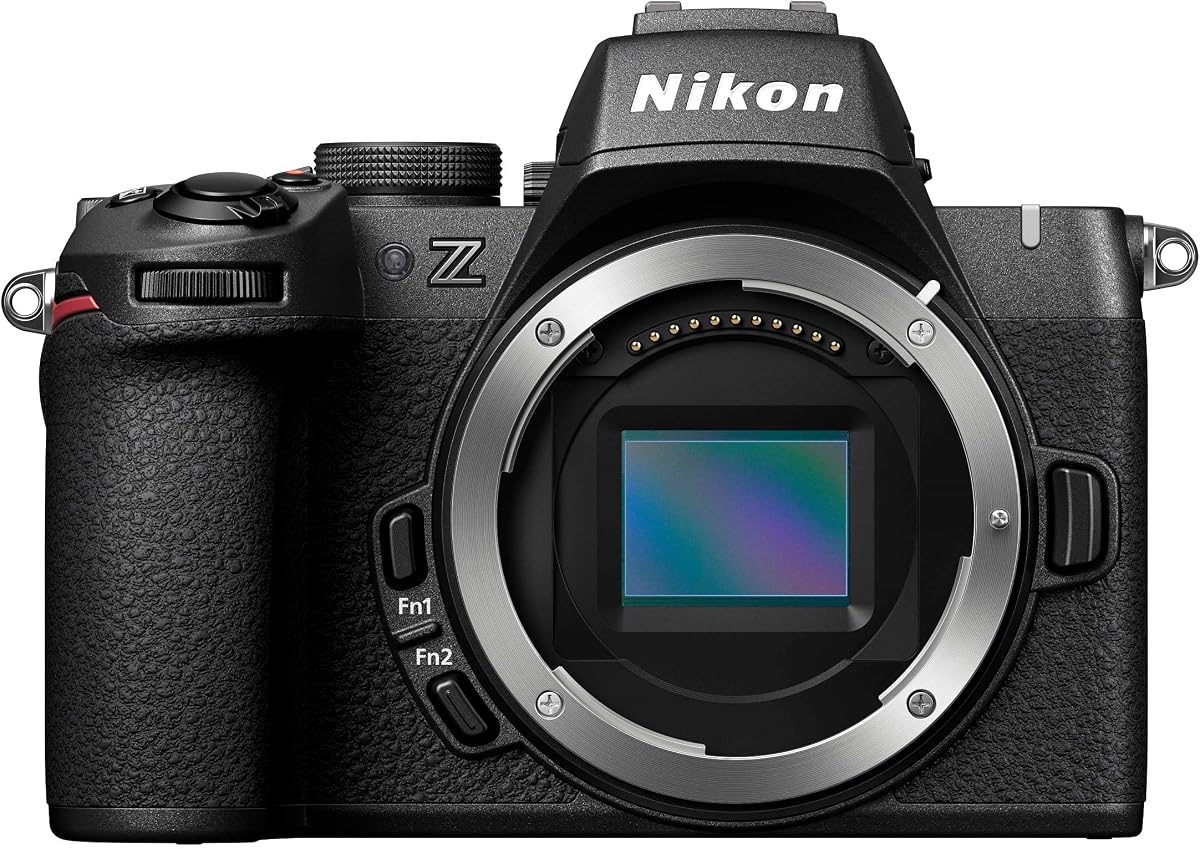
A mirrorless camera is the natural step up from a phone for anyone serious about photography or video. You get a big sensor, interchangeable lenses and proper manual controls that a phone simply cannot match, all in a body far smaller and lighter than the chunky DSLRs of old. The tricky part is choosing your first one, because the camera you buy also commits you to a lens system. An extensive test of beginner mirrorless cameras sorted the best, and these are the top picks, checked against current UK prices.
What to Look For
Sensor size. For a first camera, APS-C is the sweet spot: far larger than a phone or a Micro Four Thirds sensor for better low-light shots and background blur, yet much cheaper and more compact than full-frame. Resolution is plenty at this level too, with most beginner bodies offering around 24 megapixels, which is more than enough for big prints and heavy cropping.
Autofocus. This is where modern mirrorless cameras leave older gear behind. Fast, intelligent autofocus with subject and eye detection keeps moving children, pets and sports sharp with almost no effort, and it is the single biggest reason a beginner's photos suddenly look "professional". Sony helped pioneer near-instant focusing, and every camera here now benefits from the trend.
Speed and video. If you shoot action, look at the burst rate — the number of frames per second — with the fastest here firing up to 30 fps to guarantee a sharp frame in a quick sequence. For video, 4K recording is now the standard, usually up to 30 fps, though some cameras only use the full sensor width up to 25 fps, and a few newer models push to a crisp 6.2K for future-proof footage. A microphone socket is a bonus for vlogging.
Handling and screen. Beginner-friendly menus and guide modes make a real difference while you learn, and a fully articulating (vari-angle) touchscreen is invaluable for filming yourself, shooting over crowds or getting low. A built-in electronic viewfinder helps enormously in bright sunlight where a screen washes out.
The lens system. This is the decision that outlasts the camera. Before you buy, check how many affordable lenses the mount offers, because you will build a collection over the years. Sony's E-mount has a vast, mature range; Nikon's Z system is growing well; but Canon's RF-S range for APS-C is currently very thin, which is worth knowing if you want to expand cheaply. Whichever you choose, start with the bundled 16-50mm kit lens, then consider an affordable telephoto zoom — a 50-250mm on the Nikon or a 55-210mm on the Sony — to reach distant subjects, or a do-it-all 18-140mm that spans everything from a 28mm-equivalent wide angle to a long reach in one lens.
The Winner: Nikon Z50II
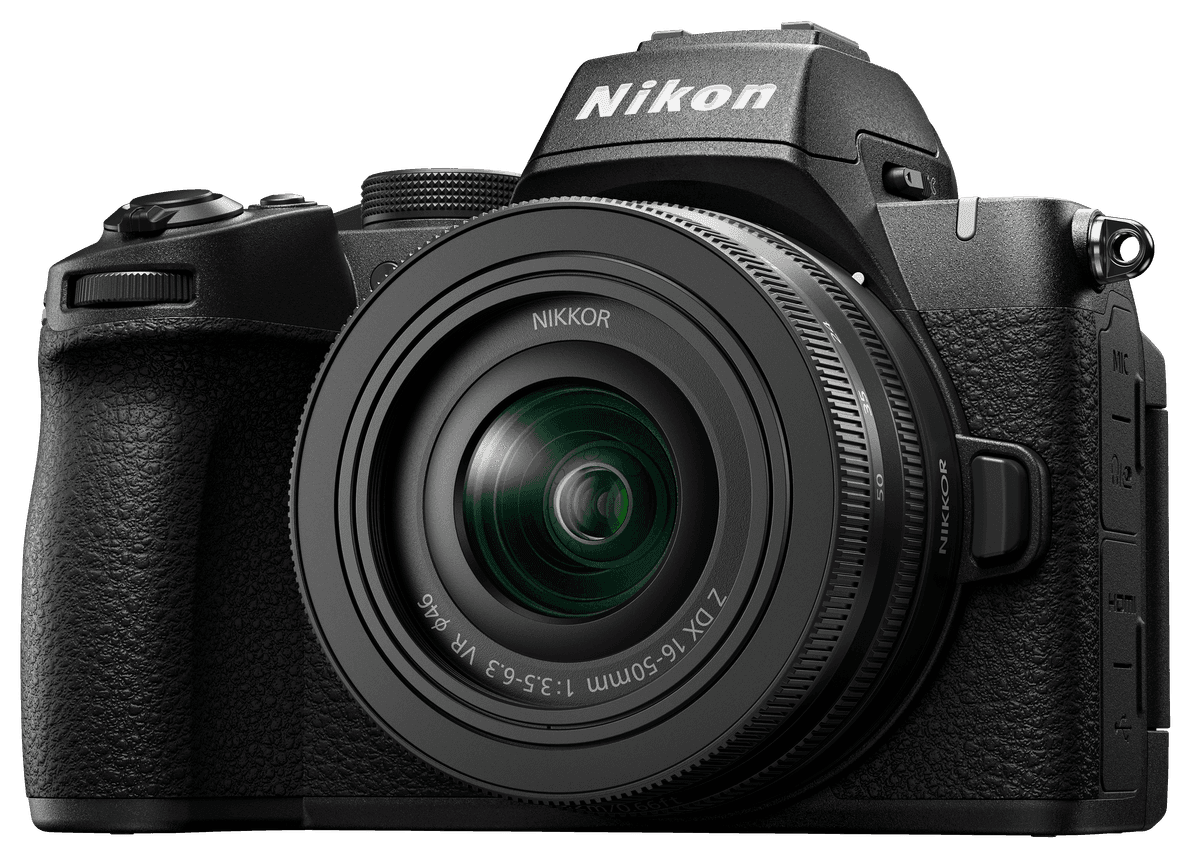
The Nikon Z50II (with the 16-50mm kit lens) is the best beginner mirrorless camera for most people. More than any rival here it delivers powerful technology, high image quality and good build — in effect, mid-range performance at an entry-level price. It handles beautifully, focuses quickly and produces lovely results straight out of the camera, and Nikon's Z lens range is expanding steadily so you have room to grow. It sits at the upper end of a beginner budget, but you are getting a lot of camera for the money. Check the price on Amazon UK · Search Amazon US