Quick Specs
Our Verdict
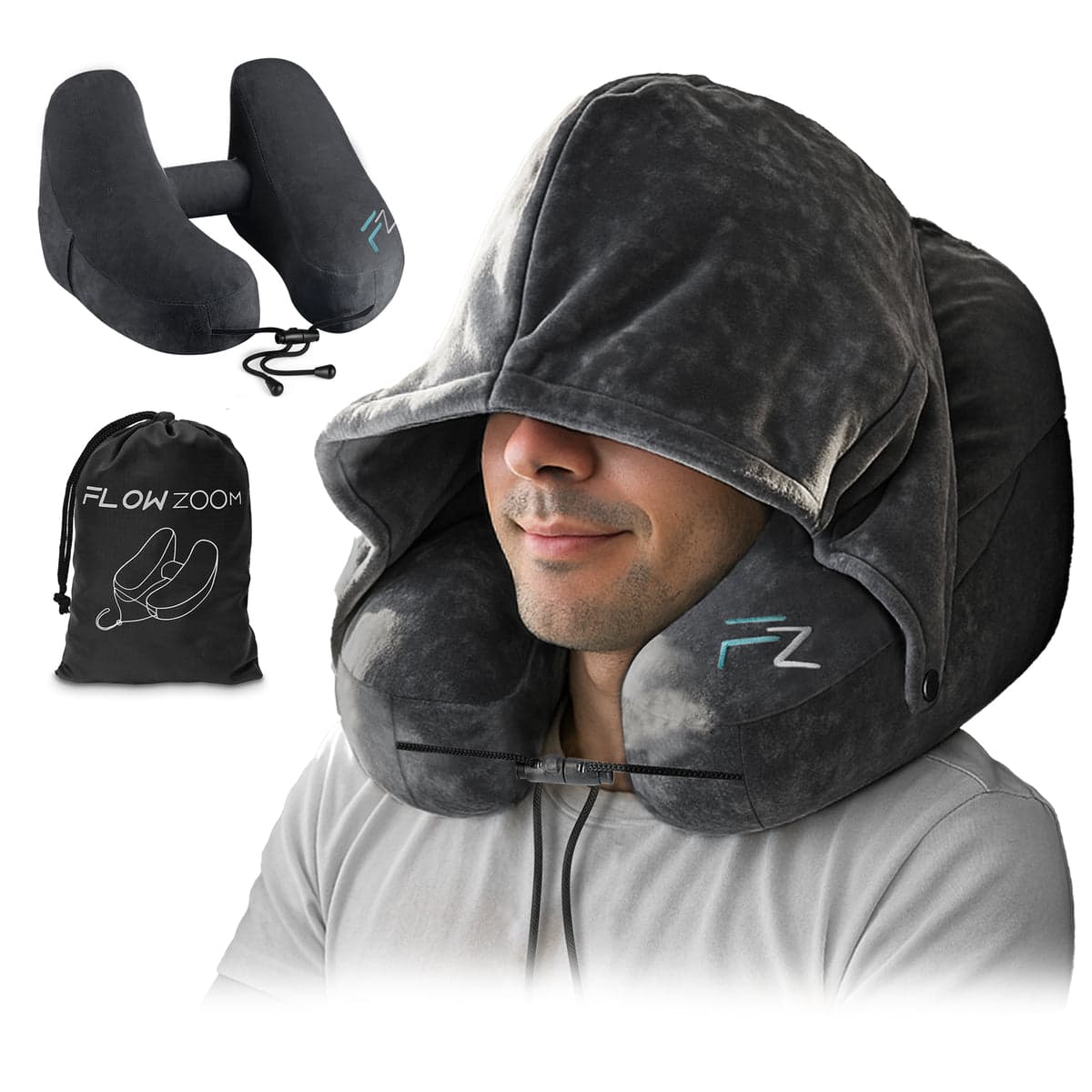
The rare travel pillow that genuinely supports in every direction yet vanishes into a pocket. Five wearing styles and the blackout hood make the Air the most versatile neck pillow around; memory-foam fans should pick the Comfy.
Research sources
Sources recorded for this page are linked below. Reported third-party testing belongs to the original publisher; it is not testing performed by Truthful Reviews.
Our editorial process
Research method, author and affiliate-independence details
Our editorial process
Research method, author and affiliate-independence details
Prepared by our editorial team using verified source material, product research, and a British-English editorial rewrite before publication.
- We review the working bundle for product facts, comparisons, and buyer-relevant tradeoffs before publishing.
- Non-English source material is translated into British English and rewritten into our house style without carrying over publication branding.
- Affiliate links and price references are handled separately from editorial judgements and never determine the verdict.
Read our full methodology: how we review
Affiliate links never determine our verdicts. Commercial relationships are disclosed separately from the editorial assessment, and we aim to keep buyer guidance clear, specific, and evidence-based.
Pros & Cons
Pros
- Inflates in 2-3 breaths; firmness fully adjustable
- H-shape supports without pushing the head forward
- Five wearing styles plus light-blocking snap-on hood
- Packs down to almost nothing; pouch and earplugs included
- Outstanding passport-style manual with video tutorials
Cons
- Inflatables feel less plush than memory foam (see the Comfy sibling)
- Cover washable only at 40 degrees
Key Features
Inflates in 2-3 breaths; firmness fully adjustable
H-shape supports without pushing the head forward
Five wearing styles plus light-blocking snap-on hood
Packs down to almost nothing; pouch and earplugs included
Outstanding passport-style manual with video tutorials
From cars to trains, buses and planes, travel seats are rarely comfortable — and anyone on a long journey would love the odd nap. With the FlowZoom Air (and its memory-foam sibling, the Comfy), that stops being a problem: both support the neck superbly and make the journey itself relaxing.
Why a Travel Pillow
Sleeping upright lets the head loll sideways, so you either wake with a stiff, aching neck or never fall asleep at all. A neck pillow provides the missing support, relaxing the neck and shoulder muscles, and good ones are designed to slip into luggage without stealing space. The balancing act is real: as compact as possible, yet with enough material around the head for stability. Most models use memory foam, which folds small and moulds pleasantly; plain cotton fillings stow less easily; inflatable cores take up almost no space when empty. Shape matters too: classic U-shapes brace the sides and back well, often closing at the front with poppers, but bulk behind the neck can push the head forward — which is why better designs slim down the neck bridge. Inflatables suit short trips with little luggage; for hours on the road, comfort is worth paying for.
Filling, Shape and Duration
Most neck pillows use memory foam, which folds small and moulds to the neck; simple cotton fillings stow less conveniently; inflatables occupy practically no space when empty. Shape is just as decisive as filling. The familiar U-models — reminiscent of a vanilla crescent biscuit — give plenty of lateral and rearward stability, and many close at the front with poppers so they stay put. But the classic croissant silhouette is retreating: manufacturers keen to improve ergonomics are adding neck and chin supports, and slimming the bridge behind the neck, because a thick rear section stops the head resting against the seat and pushes it forward instead. In the end every variant targets a particular situation: an inflatable suits short trips with little luggage, while anyone travelling for hours should not economise on the neck pillow — comfort is the whole point, and everyone's idea of it differs.
FlowZoom Air: Build and Extras
The best sign of a successful test product is not wanting to put it down — exactly what happened with the FlowZoom Air, which kept making the rounds long after testing formally ended. It feels premium from unboxing: pleasant material, clean seams, nothing to fault. The box also contains a transport pouch, earplugs, an unusually thorough manual and even a hood. The Heidelberg company swaps the boring instruction leaflet for a little passport-style booklet with QR codes leading to video tutorials on wearing, using and washing the pillow — no room for misunderstandings.
Inflation and Fit
The air core fills through a roughly three-centimetre valve on the side — two to three breaths and the pillow is taut, far quicker than expected. The air core also means adjustable firmness: prefer a softer rest, blow in a little less. The soft polyester cover nestles pleasantly against the neck and washes at 40 degrees.
The Air stabilises the head in every direction thanks to a distinctive H-shape rather than the classic croissant: only a thin connecting bridge sits at the nape, so the head is not pushed forward, while two lateral head rests support it to the rear and sides. Cords at the front fine-tune the fit.
Five Ways to Wear It
The manual's page of "wearing styles" is something no other neck pillow in the test field offered. Five configurations range from the conventional collar through the inverted "walrus" (head rests pointing down towards the chest) to the cape, the hug and the "incognito" — for which the included hood snaps onto the pillow's sides and draws closed over the eyes. It blocks light completely and, unlike a sleep mask, cannot slip; the bundled earplugs silence the rest. Despite all the versatility, the deflated pillow packs down to a few centimetres — deflating is as quick as inflating, one squeeze under the arm and it is flat.
The Memory-Foam Sibling: FlowZoom Comfy
The Comfy makes an equally strong impression: very good workmanship, pleasant material and a memory-foam core firm enough for real stability, with neck supports that bed the head in properly. Poppers along the side adjust it to six sizes and let you choose more chin support or more throat room, while a slim neck bridge means the head can still rest against the seat. The washable polyester cover stays comfortable and cool even after hours, and a compression transport bag is included. The same delightful passport-style manual with video links rounds it off.
Which One for Which Traveller?
The choice between the two comes down to journey and luggage. The Air's deflated pack size makes it the obvious pick for hand-luggage-only flights, motorbike trips and minimalist packing, and its five wearing styles reward experimenters — the incognito hood alone replaces a sleep mask that would otherwise slip. The Comfy suits travellers who prioritise plushness over pack size: its memory foam needs more room in the bag even compressed, but rewards with the more cushioned, bed-pillow feel on long-haul flights and night trains. Both wash easily, both come with proper transport bags, and both cost mid-field money for clearly upper-field quality.
Verdict
Both FlowZooms have the makings of indispensable travel companions, with neck stability the standout in each case. The Air is the one for adventurers: infinitely adjustable firmness, five wearing styles, a light-blocking hood and a pack size of almost nothing. The Comfy counters with memory-foam plushness and six-step size adjustment. Thoughtful design runs through both — from the workmanship to the best instruction booklet in the business.
Ready to Purchase?
Check current prices and availability
Affiliate Disclosure: As an Amazon Associate I earn from qualifying purchases. Truthful Reviews may receive a commission when you buy through eligible Amazon UK or Amazon US links, at no extra cost to you. Affiliate partnerships never determine our verdicts or recommendations.