Same shell, more substance underneath
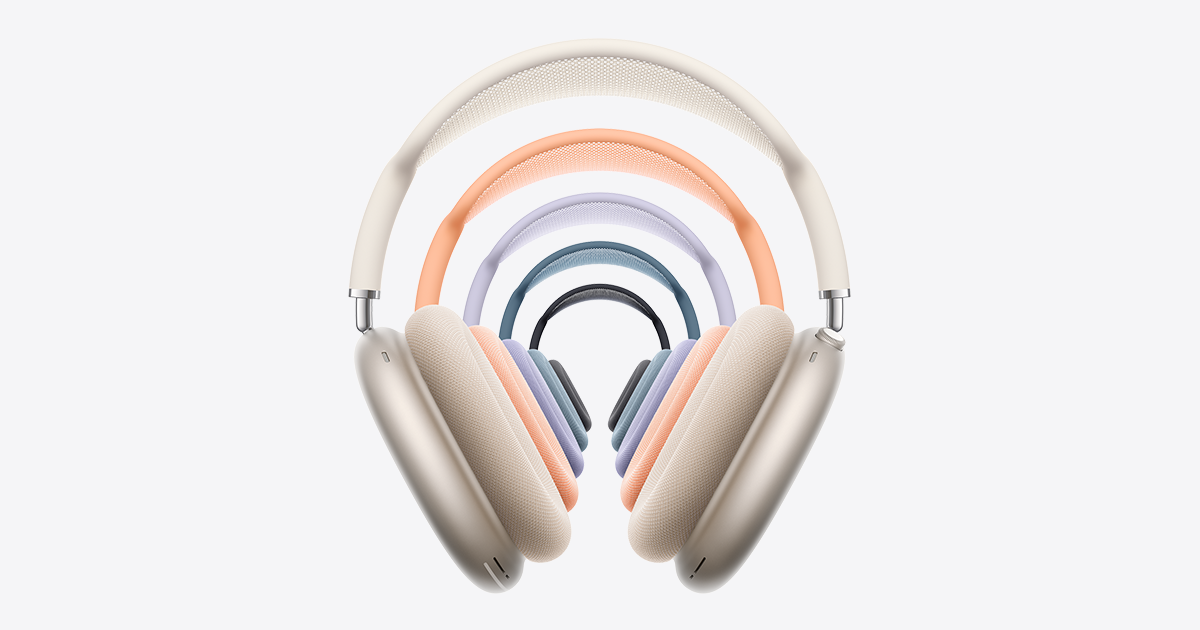
Apple left the exterior of the AirPods Max 2 almost untouched, which makes the update easy to underestimate at first glance. Five years after the first model, the shape, aluminium construction and overall look remain immediately familiar. That familiarity is deliberate: Apple is not selling a redesign here, but a substantial internal refresh.
The real story is therefore not whether the headphones look new. They do not. The question is whether Apple has finally corrected the software and signal-processing gap that opened up while rivals kept moving. On that front, the AirPods Max 2 looks far more meaningful than the almost unchanged chassis suggests.
The H2 chip is the real upgrade
The biggest change is the move from the older H1 platform to Apple's newer H2 chip. That matters because the first AirPods Max increasingly felt like a premium shell wrapped around ageing internal logic. The newer chip gives Apple more processing headroom for noise management, adaptive features and smarter real-time audio decisions.
In practical terms, this is the part of the update that makes the second-generation model feel modern again. It brings the over-ear range back into line with the advances Apple has already introduced in its newer in-ear products. Without that platform shift, the AirPods Max 2 would have risked being remembered as a cosmetic refresh. With it, Apple at least has a credible technical reason for revisiting the line.
Noise cancelling and transparency both move forward
A stronger processor only matters if it changes the listening experience, and active noise cancelling is where that should be most obvious. Apple's claim is that the new model is significantly more aggressive at cutting steady low-frequency noise, the kind of sound that tends to dominate planes, trains and urban commuting. That is exactly where premium over-ear headphones are expected to justify themselves.
Transparency mode also matters just as much in daily use, and it appears to have been improved rather than left as a side note. A more natural pass-through mode helps the headphones feel less isolated and less artificial when you need to stay aware of your surroundings. That is important, because the first AirPods Max was never short on raw isolation. What it needed was smarter behaviour around the edges.
Adaptive features finally feel worthy of the price
The first AirPods Max increasingly looked sparse next to newer flagship headphones and earbuds that kept adding more context-aware features. Apple now appears to be filling that gap properly. Adaptive Audio changes the balance between noise cancelling and transparency depending on what is happening around you, while conversation-aware behaviour can reduce playback when you start speaking.
Those changes do not transform the product into something fundamentally different, but they do make it feel less static and more responsive. Apple is also pushing translation and gesture-style interaction further, which suggests the AirPods Max 2 is meant to do more than just play music extremely well. It is supposed to act more like a premium wearable node inside Apple's broader device ecosystem.
Wired lossless support matters more than it sounds
The supplied USB-C cable unlocks lossless playback at 24 bits and 48 kHz — the single advance that, on its own, justifies the interest musicians and content creators have shown in this generation.
One of the more consequential updates is wired lossless playback over USB-C. That may sound niche, but it is exactly the sort of change that gives the AirPods Max 2 more credibility with listeners who care about audio quality rather than lifestyle branding alone.
Apple is not changing the drivers outright, but it is pairing the existing acoustic platform with a higher-dynamic-range amplifier and cleaner signal handling. The likely result is not a radically different tonality, but a more resolved and disciplined presentation, especially with higher-quality sources. For a product in this price bracket, that is a far more persuasive upgrade than a new colour or a reshaped ear cup would have been.
Too many physical compromises remain
Weight is the clearest example. The AirPods Max 2 remains markedly heavier than its direct rivals — the Sony WH-1000XM6 at 254 g, the Bose QuietComfort Ultra 2 at 252 g and the Sennheiser Momentum 4 at 293 g — while battery life stubbornly stagnates at 20 hours of continuous listening with noise cancelling active.
For all the useful internal progress, Apple has still left some of the most obvious hardware complaints largely untouched. The AirPods Max 2 reportedly remains a 386g headphone, which is a lot in a market where strong alternatives from Sony, Bose and Sennheiser are notably lighter. Weight alone does not make a headset uncomfortable, but it absolutely changes how long you want to keep it on.
Battery life is another area where Apple looks conservative. Around 20 hours of listening with noise cancelling remains acceptable, but it no longer looks impressive. Rivals have pushed much further on stamina. The protective case also seems to have survived essentially unchanged, which means one of the most criticised accessories in premium audio is still part of the package.
Bottom line
The AirPods Max 2 looks like the update the original model should probably have had sooner. The H2 chip, smarter listening modes, stronger noise management and wired lossless support all make it more credible in 2026 than the first generation ever felt in its later years.
At the same time, Apple has not solved every obvious weakness. The headphones still appear heavy, the battery life still looks merely decent rather than leading, and the case still sounds underwhelming for a product at this level. So the AirPods Max 2 is not a dramatic reinvention. It is a strategic correction. For Apple users who already wanted a premium over-ear option inside the ecosystem, that may be enough. For everyone else, the unanswered question is whether these internal gains compensate for the physical compromises that remain stubbornly in place.
Where to buy
The AirPods Max 2 on Amazon UK — see current AirPods Max 2 listings. The original AirPods Max remains on sale alongside it, and with the successor's arrival it is the model most likely to be discounted — check current AirPods Max prices before deciding whether the internal gains above justify the difference.
For alternatives outside Apple's ecosystem, our best over-ear headphones guide ranks the wider tested field, where the class leaders cost meaningfully less.
Research sources
Sources recorded for this page are linked below. Reported third-party testing belongs to the original publisher; it is not testing performed by Truthful Reviews.