Why the Find N6 matters
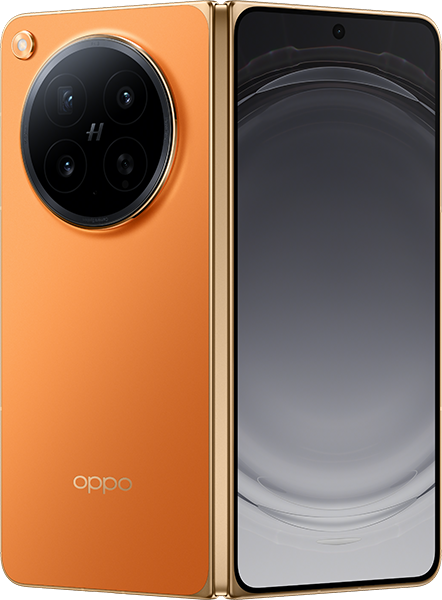
Foldables have improved steadily, but the category still carries one flaw that many buyers never really forget: the crease. It may fade into the background during normal use, but it still reminds people that they are using a compromise. The Oppo Find N6 is interesting because the first reaction behind this source piece is not about cameras, software or raw power. It is about the feeling that the crease has effectively disappeared.
That is a much bigger deal than it might sound. Foldables do not become mainstream because they add yet another generation of processor or because they get slightly thinner. They become mainstream when the compromises stop feeling like compromises.
The central claim is simple: the crease is barely there
The most striking part of the source hands-on notes is how emphatically they describe the new panel and hinge behaviour. According to that first impression, the Oppo Find N6 gets closer than previous foldables to the feeling of using a genuine small tablet rather than a phone that happens to fold open.
That distinction matters. On many current foldables, the crease becomes less obvious when you look straight at the display with brightness turned up, but it still reveals itself in touch, in reflections, in angled viewing or outdoors. The claim here is that Oppo has gone meaningfully further than that, helped by a new titanium hinge and 3D-printing-led structural work.
If that holds up under broader testing, it would make the Find N6 one of the most important hardware steps the category has seen in years.
It still looks familiar, but that is not the point
At first glance, the Find N6 resembles the book-style foldables buyers already know. That is not a criticism. The category has largely converged on a basic physical formula because it works. What matters now is not whether a foldable can look futuristic in a render, but whether it feels closer to a normal premium device in real use.
That is where the Oppo seems to make its case. The source does not frame the phone as an alien reinvention of the category. It frames it as a product that finally makes one of the main irritations far less visible.
Why this is awkward for Samsung and Apple
The headline comparison is not accidental. Samsung still defines the book-style foldable for most buyers, and Apple remains the company everyone expects to enter the category seriously at some point. A foldable that can make the crease feel almost irrelevant immediately raises the standard for both.
For Samsung, that means pressure on the part of the experience it helped normalise but never fully solved. For Apple, it raises the bar before a first full-size folding iPhone even arrives. If Oppo has genuinely moved the tactile and visual experience this far forward, competitors can no longer treat the crease as a tolerable quirk and hope buyers will simply accept it.
The hands-on caveat still matters
This is not a full review, and it should not be treated as one. The source itself makes clear that this was an early hands-on rather than a complete assessment. That means we do not yet have the broader answers that matter for a final verdict: battery life, sustained performance, cameras, durability and software polish under longer use.
Still, first impressions do matter when the hardware story is this clear. A foldable that immediately surprises experienced reviewers is telling you something meaningful, especially when that surprise comes from direct physical interaction rather than a spec sheet.
Why the display experience changes everything
One of the reasons foldables still feel niche is that users are constantly asked to make little psychological allowances. You accept the crease. You accept thickness. You accept some awkwardness because the form factor feels futuristic or useful enough to justify it. The more those allowances disappear, the more a foldable becomes something people want rather than something enthusiasts defend.
That is why the Find N6's display impression matters more than a simple checklist of upgrades. If opening it really feels like moving to a clean tablet-style surface instead of a visibly folded panel, then Oppo is not just polishing the concept. It is making the category easier to recommend to people who were previously unconvinced.
Availability is still the obvious frustration
The source also highlights the awkward commercial reality: the phone was received ahead of its global launch, but it was not expected to receive a full local-market review in the original publication context. That leaves the Find N6 in a familiar Oppo position for some Western buyers. The hardware may be exciting, but availability remains uncertain or limited depending on region.
That matters because the foldable market does not just need better products. It also needs buyers to believe they can actually buy, support and service those products without taking a risk on niche distribution.
Early view
The Oppo Find N6 already looks like one of the most important foldables of the moment, not because it changes the form factor, but because it may finally be attacking the compromise that buyers notice most. If the near-invisible crease impression holds up in full testing, Samsung and every other foldable maker will have to respond.
For now, the Find N6 should be treated as an exceptionally promising first look rather than a finished verdict. Even so, it already sounds like the sort of product that can move the category forward rather than merely refresh it.
Where to buy
The Find N6 reaches Amazon UK as an import rather than a mainstream network release: at our 2 August 2026 check the 512 GB/16 GB CPH2765 model listed, with a second listing of the same configuration — see current Oppo Find N6 listings. Buyers should expect import-grade pricing and check warranty terms before committing.
Research sources
Sources recorded for this page are linked below. Reported third-party testing belongs to the original publisher; it is not testing performed by Truthful Reviews.