Holidays, family parties, an unexpectedly good sunset on the walk home — special moments deserve proper photographs, and a bulky camera no longer needs to come along. Modern camera phones deliver photo quality that comfortably keeps pace with many compact cameras, and the best of them genuinely replace one. This guide distils a laboratory test field of 252 benchmarked smartphones into the models whose cameras truly convince — from a 1,526-euro camera monster to a 269-euro bargain — and explains the features that actually decide picture quality.
The camera grades behind these rankings combine an expert assessment of real photographs with specifications, video features and laboratory measurements; below the headline grade, the test separately scores photo quality in daylight and in dim light, because plenty of phones that sparkle at noon fall apart at dusk.
Daylight Versus Dusk: How the Camera Grades Work
The headline camera grade in this comparison is a composite: an expert panel's judgement of real photographs, the specification sheet, the video feature set and objective laboratory measurements all feed into it. Beneath that number, every phone additionally carries two expert assessments of pure photo quality — one under daylight conditions, one in dim light — and the split is where buying decisions should start. Sensors shrink and pixels starve as light falls, so the gap between a phone's daylight and low-light grades tells you far more about weekend usability than the megapixel count on the box. Several phones in the field score "very good" at noon and merely "good" at dusk; the recommendations below name both sides wherever it matters.
The Short Version
- Top pick — Oppo Find X9 Ultra. The best camera in the entire test (grade 1.0) on one of the best phones of recent years (overall 1.1): a quad-camera with two 200-megapixel lenses, a physical shutter button, a 23-hour battery and a gorgeous leather back, from around 1,526 euros.
- Price tip — Xiaomi 15T. A co-engineered triple camera with selectable colour profiles, a superb bright display and updates until 2031 for around 395 euros (overall 1.5).
- Best under 1,000 euros — Google Pixel 10 Pro XL. A fantastic triple camera with 5× optical and 100× digital zoom, a display measured above 2,500 nits, and seven years of updates, from about 880 euros (overall 1.3).
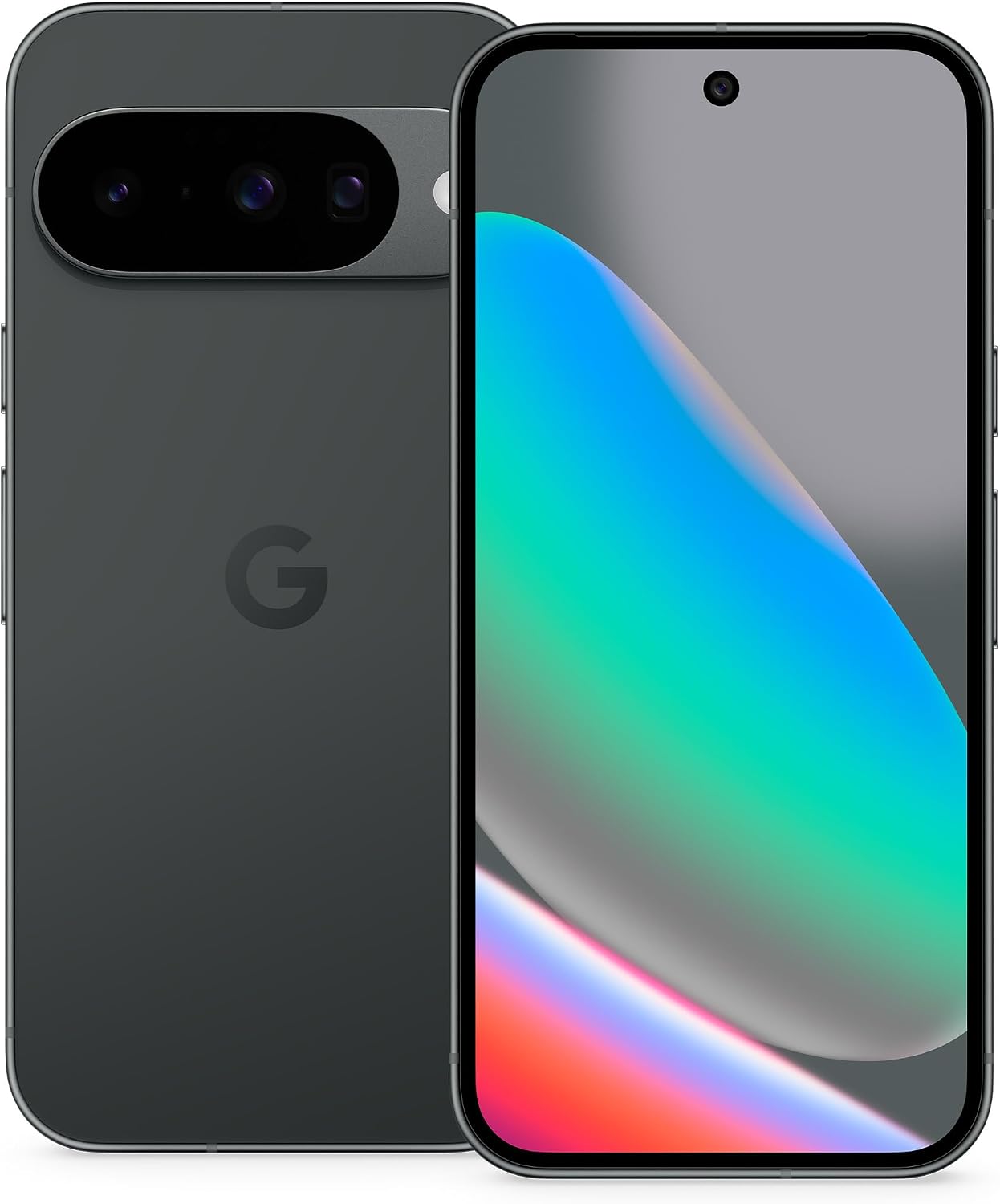
- Best under 600 euros — Google Pixel 10. The standard Pixel finally gains a real 5× telephoto and keeps the excellent image processing, from around 537 euros (overall 1.4).
- Best under 300 euros — Google Pixel 7a. The proof that software beats spec sheets: honest, natural photos from a dual camera at about 269 euros (overall 2.3).
- Best Samsung for photos — Galaxy S26 Ultra. A brilliant 200-megapixel quad camera with 5× optical zoom, natural colours and lovely portraits, plus updates until 2033, from around 934 euros (overall 1.2).
- Samsung camera bargain — Galaxy S23 Ultra. The 2023 flagship still takes wonderfully detailed night shots and now costs around 400 euros (overall 1.8).
- The iPhone pick — Apple iPhone 17 Pro Max. Three 48-megapixel cameras, 4K video at 120 frames per second and the field's longest battery life of 27:14 hours, from about 1,310 euros.
The Top Pick: Oppo Find X9 Ultra
Related Articles
The Find X9 Ultra is one of the best smartphones of recent years, and its camera is the best in the entire 252-phone field. The quad system pairs two 200-megapixel lenses with a telephoto and an ultra-wide, and the results impress most where phone cameras usually crumble: at higher zoom levels, where sharpness, lively colours, good dynamics and fine structures survive intact. Video records in crisp 8K, and a physical shutter button on the side gives photography fans a classic camera feel — even if testers occasionally pressed it by accident. The single photographic quibble: the main camera could render very fine detail sharper still.
The rest of the phone matches the camera's ambition. The 6.8-inch OLED display earned a perfect 1.0 with its crisp sharpness, fluid motion and brightness that stays readable in direct sun. The Snapdragon processor delivered a top performance grade (1.0), and the battery is remarkable: over 23 hours of continuous use, refilled in about an hour over USB-C 3.2. Wi-Fi 7, Bluetooth 6.0 and 5G complete a thoroughly current spec sheet, the leather-look back feels genuinely premium at 224 grams, and software updates are promised until 2032. Only dual eSIM is missing. The overall verdict of "very good" (1.1) comes at a price — around 1,526 euros, rated bluntly "very expensive" — but nothing here photographs better.
The Price Tip: Xiaomi 15T
The Xiaomi 15T reads like a flagship camera phone with the invoice of a mid-ranger. Its triple camera — 50-megapixel main sensor, ultra-wide and a 2× optical telephoto — produces detail-rich photos with good colours and contrasts, and the Leica-engineered colour science lets you choose between a vibrant profile with punchier colours and an authentic one with a slightly moodier system-camera look. In the experts' side-by-side assessment, its everyday image quality barely differed from its dearer Pro sibling. The limits show at distance: the 2× optical zoom covers daily life, but the up-to-60× digital zoom cannot match genuine high-end telephotos.
Everything around the camera lands on the right side of the ledger. The 6.8-inch OLED panel combines enormous peak brightness with saturated colours at 120 hertz, the MediaTek Dimensity 8400-Ultra handles games and multimedia briskly without troubling the very fastest processors, and the battery ran 16.5 hours in the standard test before recharging quickly at 67 watts — though only by cable, as wireless charging is missing. Wi-Fi 6E, eSIM support, NFC, stereo speakers, proper dust and water sealing and security updates until 2031 round off a "very good" (1.5) verdict at around 395 euros — the test's value champion.
Best Under 1,000 Euros: Google Pixel 10 Pro XL
Related Articles
The Pixel 10 Pro XL is the large-format flagship for photographers who want maximum reach. The triple camera keeps the proven hardware — a 50-megapixel main sensor, an ultra-wide and a telephoto with 5× optical magnification — and extends digitally to 100×, where the camera saves two versions of extreme zoom shots: the original and an AI-enhanced interpretation that looks strikingly good, if philosophically debatable. Image quality is fantastic across the board, with a naturalness testers repeatedly singled out, competent results in twilight and a night mode that noticeably brightens dark scenes. Video reaches 8K.
The supporting act is equally strong. The 6.8-inch OLED display was measured above 2,500 candela per square metre — dazzlingly bright — with a dynamic 1-to-120-hertz refresh rate. The Tensor G5 processor performs flawlessly in daily use without matching the outright speed of rival flagships, the battery ran over 17 hours with reasonably quick wired charging, and wireless charging follows the magnetic Qi2 standard. Wi-Fi 7, Bluetooth 6, NFC, dual SIM, a temperature sensor, an IP68-sealed body, 16 gigabytes of RAM and storage up to a terabyte complete the package, with updates promised for seven years until 2032. Two caveats: an automatic mechanism throttles total battery capacity as the cell ages, and at around 880 euros the value verdict is "expensive". The overall grade: "very good" (1.3), with the camera at 1.2.
Best Under 600 Euros: Google Pixel 10
The standard Pixel 10 closes the gap that used to justify the Pro surcharge: it now carries a genuine triple camera. Alongside the 50-megapixel main sensor and ultra-wide sits a real telephoto with 5× optical and up to 20× digital zoom — the 100× reach stays exclusive to the Pro models — and the image quality remains exactly what Pixels are known for: excellent, natural, detail-rich, with AI functions helping where they genuinely help. Videos record in 4K.
The 6.3-inch OLED display reached an enormous 2,100 candela in the brightness measurement (display grade 1.1) and refreshes at up to 120 hertz. The Tensor G5 performs impeccably for apps and games below the very top tier, the bigger battery ran almost 17 hours in the comparison test, wired charging got faster, and Qi2 wireless charging is on board. The trims against the Pro are sensible rather than painful: Wi-Fi 6E instead of 7, no temperature sensor, 12 gigabytes of RAM with 128 or 256 gigabytes of storage. Updates run seven years to 2032. At around 537 euros, the verdict of "very good" (1.4) makes it the sweet spot of the entire field for most buyers.
Best Under 300 Euros: Google Pixel 7a
The Pixel 7a is the budget answer, and its camera philosophy is the most instructive in the test: modest dual-camera hardware, first-class results. Photos come out with colours closer to reality than almost any rival — the test explicitly found its colour rendering nearer the truth than considerably dearer flagships, which tend to flatter skies and lawns. Details and sharpness sit at a high level for the class, 4K video looks lovely, and only the missing extras betray the price: no macro mode, no dedicated high-resolution mode, and long exposures brighten night scenes only slightly.
As a phone it remains thoroughly pleasant. The 6.1-inch OLED display finally brings 90 hertz to Google's A-series (display grade 1.8), the Tensor G2 handles 3D gaming smoothly, and the equipment list — water protection included — is generous for the money. The honest weaknesses: the battery managed just over 11 hours and takes around two hours to charge, the stereo speakers are unremarkable, and 128 gigabytes of non-expandable storage can pinch if you film a lot. At around 269 euros, the "good" (2.3) verdict is the field's cheapest sensible recommendation for photography.
Best Samsung for Photo Quality: Galaxy S26 Ultra
Samsung's flagship earns its place with a technically top-class quad camera around a 200-megapixel main sensor. Testers particularly praised the 5× optical zoom, natural colours, clear details and beautiful portraits; AI post-processing and stronger video stabilisation add genuine value, even if the newest AI features launched neither flawless nor compromise-free — and require a Samsung account. Night photography has long been an S-Ultra strength, and the comparison shots confirm it.
The 6.9-inch OLED panel shows razor-sharp, colourful images at high brightness, and a new privacy-display feature darkens chosen screen areas so effectively that side-on snoopers see nothing, with no notable drawbacks in testing. The Galaxy variant of the Snapdragon 8 Elite Gen 5 posted the field's best benchmark results, the battery ran 20:51 hours and refilled to 77 per cent in half an hour, and the embedded S Pen still delights note-takers — though it has lost its Bluetooth tricks. With updates promised until 2033 and a street price around 934 euros, the overall verdict lands at "very good" (1.2).
The Samsung Camera Bargain: Galaxy S23 Ultra
Three generations on, the S23 Ultra remains a remarkably complete phone — and at around 400 euros, the cheapest route to genuine flagship night photography. Its camera still grades "very good" (1.4), with night shots testers called wonderfully detail-rich; the comparison archive shows it out-resolving contemporaries in dark scenes, rendering text legibly where rivals smear. The Snapdragon processor keeps performance excellent, the 6.8-inch OLED display holds up beautifully, the S Pen sits in the case, and the battery endures — only the leisurely charging (1:19 hours) feels dated. Verdict: "good" (1.8), and the smart buy for Samsung loyalists on a budget. Factor in that flagship build quality ages gracefully: the sealed body, bright panel and quad-camera hardware were built for a four-figure price bracket in 2023, and secondhand supply keeps street prices falling.
The iPhone Pick: Apple iPhone 17 Pro Max
Apple's biggest phone approaches photography with three 48-megapixel sensors — main, ultra-wide and telephoto all at the same high resolution — and the results stand up to any flagship in the field: clear details, high sharpness and a colour approach that is realistic yet lively, adjustable through customisable styles. The telephoto pleases without out-resolving its predecessor, 4K video reaches a class-leading 120 frames per second, and the high-resolution selfie camera adds flexible framing options. The dedicated camera-control button and freely assignable action button make it the most operable iPhone yet for photographers.
Beyond the camera it sets the field's endurance benchmark: 27:14 hours of continuous use, with half an hour of charging restoring roughly 17 hours. The A19 Pro processor and a new cooling system deliver superb performance without warming the aluminium body, the 6.9-inch OLED display is crisp and saturated (if more reflective than ideal), and IP68 sealing, fast Face ID and excellent speakers complete the hardware. The honest gripes are software-sided: Apple's local AI features still trail the competition, and the Dynamic Island cutout covers content. Around 1,310 euros buys the best camera iPhone.
Aperture: The Number That Buys Light
Image quality depends heavily on the aperture — the opening that decides how much light reaches the sensor. Photographic speed is expressed as the ratio of aperture opening to focal length, written as an f-number, and the rule is simple: the smaller the f-value, the larger the opening. More light means more detail and cleaner colours when conditions dim; less light means washed-out colours and rising image noise. A practical benchmark from the test: a main camera with an aperture of f/1.8 or brighter still produces usable images in poor light.
Optical Beats Digital Stabilisation
Stabilisation compensates for the movement of a hand-held phone, and the method matters. Digital stabilisation crops slightly into the frame so software can shift the visible area against wobble — costing resolution, sometimes stabilising Full HD video but not UHD, and struggling with harder judders. Optical stabilisation mounts the lens flexibly so the hardware itself absorbs small shakes, and it consistently outperforms software solutions; the premium models that combine both delivered the steadiest results in the test. When choosing a phone, prioritise a main camera with optical stabilisation.
Telephoto and Ultra-Wide: The Lenses That Earn Their Place
A phone with a single lens can only zoom digitally — displaying an ever-smaller crop whose quality falls with every step. A telephoto lens adds a second, fixed focal length that magnifies without loss, typically by a factor of two or three, in the best cases five to ten. Anyone who zooms regularly should treat a telephoto as essential.
The ultra-wide lens works in the opposite direction, capturing fields of view beyond 110 degrees — ideal for squeezing landscapes, group photos or architecture into the frame from close quarters. Phones without one can approximate the effect with a panorama mode, sweeping the phone across the scene, but the format stretches with the sweep; a true ultra-wide keeps the frame. One warning from practice: the wider the angle, the stronger the fisheye effect, with distorted edges and unnaturally stretched subjects that not everyone likes.
Bokeh, Depth Sensors and Night Modes
Portrait effects and time-of-flight sensors
Practically every current phone offers portrait photos with the bokeh effect: software identifies foreground and background, keeps the subject sharp and melts the backdrop into professional-looking blur. High-end models refine the separation with a time-of-flight sensor that measures how long light takes to bounce back from the scene, building a 3D map that produces more reliable bokeh — including in video.
What night modes really do
Night modes have become similarly universal. The software combines long exposure, which gathers light over several seconds, with computational correction that prevents blur, so tripod-free night shots genuinely work; in the test, nearly pitch-dark scenes turned into bright, usable images on the best phones.
HDR: The Software Decides
Hardware is only half a phone camera. The clearest proof is Google's A-series: a modest lens count, specifications no flagship would envy — and some of the best photos in the segment, because the processing is superb. The workhorse of that processing is HDR: the camera fires several frames at different exposures in quick succession, then assembles the best details and image information from every frame into the final photograph, pulling the result closer to what the human eye perceives. When comparing phones, weight the test photos and processing quality above the spec sheet.
The Megapixel Myth
Manufacturers love advertising extreme resolutions, but many megapixels do not automatically mean better pictures. The megapixel count says only how many image points the sensor records — nothing about noise behaviour, colour intensity or dynamic range, which depend on the aperture, the sensor size and above all the software. Very high-resolution cameras can even suffer in poor light because each tiny pixel receives too little of it, which is why manufacturers routinely merge four pixels into one — "pixel binning" — to claw the quality back. The test field is full of 200-megapixel cameras beaten by 50-megapixel rivals with better processing.
How the Cameras Were Tested
The core of the photo test is the analysis of a measurement chart that precisely quantifies detail retention versus smoothing, noise behaviour, colour rendering and true resolution — captured not only in bright light at 1,000 lux but additionally in twilight at 50 lux. Beyond the lab chart, each phone photographs a mannequin head surrounded by revealing objects such as coloured pens, sieves, plastic roses and yarn under varying light, and photo experts grade the results; some test shots are deliberately taken hand-held rather than from a tripod to judge the stabilisers. Video stabilisation is assessed in Full HD and UHD, the selfie camera is rated subjectively, and features such as zoom lenses, wide-angle selfie options and a slow-motion mode earn bonus points. For camera comparisons at system-camera level, our full-frame camera guide shows what dedicated hardware still does better.
Frequently Asked Questions
Which phone has the best camera?
In this 252-phone field, the Oppo Find X9 Ultra's quad camera earned the only perfect 1.0 camera grade. The Google Pixel 10 Pro XL and Samsung Galaxy S26 Ultra follow closely — and cost noticeably less.
Are more megapixels better?
Not by themselves. Resolution says nothing about noise, colours or dynamics; aperture, sensor size and processing matter more, and high-resolution sensors routinely merge pixels to survive dim light.
What aperture should a phone camera have?
For usable photos in poor light, look for a main camera at f/1.8 or brighter. Higher f-numbers admit less light, costing detail and adding noise as conditions darken.
Do I need a telephoto lens?
If you zoom regularly, yes — optical magnification is loss-free where digital zoom degrades with every step. Our Xiaomi versus Samsung comparison shows how differently manufacturers approach the zoom question.
Can a phone really replace a compact camera?
For most people, yes. The test's premise — that top camera phones comfortably keep pace with many compact cameras — held up across the field, particularly in daylight and for casual zoom ranges. Dedicated hardware still wins for long telephoto work, fast action and razor-thin depth of field.
The Bottom Line
Two hundred and fifty-two tested phones produce an unusually clear photography hierarchy. The Oppo Find X9 Ultra owns the top for those who will pay flagship money for the field's only perfect camera grade; the Pixel 10 Pro XL and Galaxy S26 Ultra deliver 95 per cent of that for hundreds less; and the Pixel 10 at 537 euros is the sensible answer for most people, now that it carries a real telephoto. The Xiaomi 15T undercuts them all with Leica colour science at 395 euros, the Pixel 7a proves at 269 euros that processing beats hardware, and the S23 Ultra remains the night-photography bargain. Buy the processing, not the megapixels — the test says so on every page.