
Quick Specs
Our Verdict
The Nothing Phone (4a) Pro is a well-judged upper-mid-range phone with standout design, a strong display and better camera ambition than most rivals at this price. It falls short on long-term software support, but it still offers more personality than the typical mid-range Android handset.
Research sources
Sources recorded for this page are linked below. Reported third-party testing belongs to the original publisher; it is not testing performed by Truthful Reviews.
Our editorial process
Research method, author and affiliate-independence details
Our editorial process
Research method, author and affiliate-independence details
Prepared by our editorial team using verified source material, product research, and a British-English editorial rewrite before publication.
- We review the working bundle for product facts, comparisons, and buyer-relevant tradeoffs before publishing.
- Non-English source material is translated into British English and rewritten into our house style without carrying over publication branding.
- Affiliate links and price references are handled separately from editorial judgements and never determine the verdict.
Read our full methodology: how we review
Affiliate links never determine our verdicts. Commercial relationships are disclosed separately from the editorial assessment, and we aim to keep buyer guidance clear, specific, and evidence-based.
Pros & Cons
Pros
- Distinctive premium design that stands out for the right reasons
- Accurate, high-quality AMOLED display
- Useful periscope zoom camera at this price
- Thoughtful software features such as Essential Space
- Very competitive overall value
Cons
- Performance is only mid-pack for the class
- Software support is too short
- Ultra-wide camera is the weak link
- No wireless charging
Key Features
Distinctive premium design that stands out for the right reasons
Accurate, high-quality AMOLED display
Useful periscope zoom camera at this price
Thoughtful software features such as Essential Space
Very competitive overall value
Price and market position
The Nothing Phone (4a) Pro starts at GBP499 and stretches to GBP569 for the better-equipped version. That puts it right in the most competitive part of the smartphone market, where Google, Motorola, Realme and Samsung all have plausible alternatives. Nothing therefore cannot rely on novelty alone. The phone has to justify its price through real usability as well as design flair.
The company's approach is clear. Rather than chasing flagship benchmarks, it is trying to build the most distinctive upper-mid-range phone in the room: something visually recognisable, deliberately different in software and equipped with a more ambitious camera mix than usual at this price. That feels like the right strategy for Nothing, because competing on pure value alone would turn the Phone (4a) Pro into just another specification comparison rather than a phone people actively want to own.
Design and build quality
The Phone (4a) Pro stands out immediately. Nothing has moved away from the older all-glass transparency gimmick and shifted to an aluminium unibody design, while still keeping the brand's exposed, industrial visual language in the camera area. The result is more mature and arguably more premium than before.
That does not mean it is subtle. At 210g, the handset has real heft, and the Glyph Matrix still exists to make sure nobody mistakes it for a generic mid-range slab. Yet the build quality sounds convincing. The matte metal finish resists fingerprints, the buttons are well placed and the phone seems to feel more expensive than many direct rivals.
There are compromises. The IP65 rating is serviceable rather than outstanding, and there is an exposed plastic join that reminds you this is not quite a true flagship. Still, as an object, the Phone (4a) Pro is more memorable than most phones in its price bracket.
Display quality
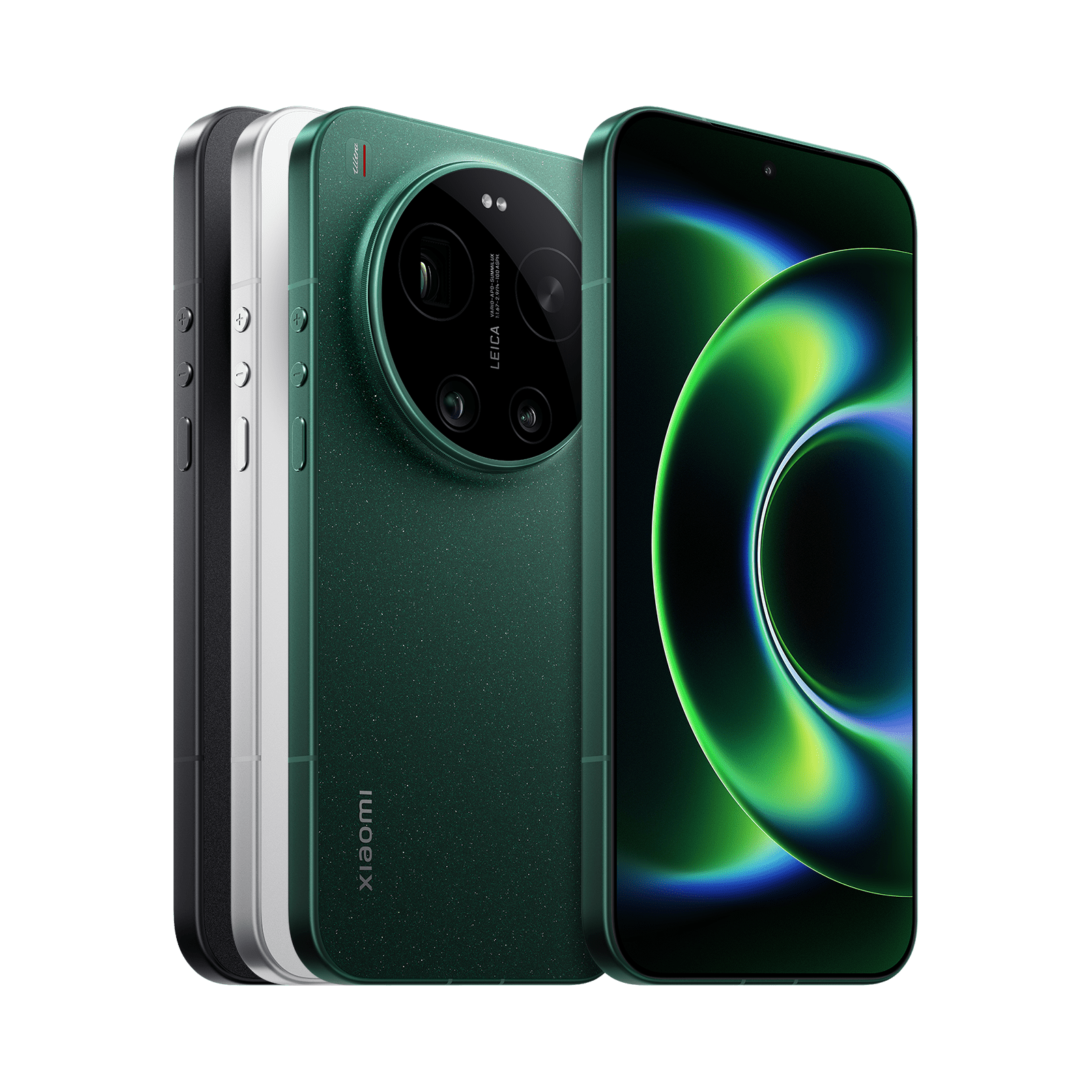
Nothing has paired its bold hardware design with a display that appears genuinely strong. The 6.83-inch AMOLED panel is large, sharp and very well integrated into the chassis. A 30Hz to 144Hz adaptive refresh rate gives the screen real fluidity, while the measured brightness figures are more than good enough for everyday use outdoors.
Peak boost brightness at 1554 cd/m² and HDR performance around 1523 cd/m² do not break records, but they are entirely competitive for the class. The stronger story is colour accuracy. The default Active profile is already well judged, with very low Delta E figures and a pleasant, controlled look rather than the exaggerated saturation many mid-range phones default to.
If you prefer stricter sRGB reproduction, the Normal profile appears to deliver that too. In short, the Phone (4a) Pro offers a display that feels more carefully tuned than many of its rivals.
Performance and thermals
The Snapdragon 7 Gen 4 is not a weak chip, but it is not a statement processor either. In practical terms, that means the Phone (4a) Pro should feel comfortably quick for messaging, social apps, photography and most day-to-day tasks. The benchmark results behind the car place it in respectable rather than elite company.
The more important takeaway is that thermal control appears sound. Despite some benchmark oddities, the phone does not seem to fall apart once gaming loads increase. It gets warm, but remains manageable and avoids the sort of ugly collapse that can make technically faster devices feel worse over time.
That balance suits the product. Nothing is clearly prioritising consistency and efficiency over headline score-chasing. Buyers who want the most powerful phone for mobile gaming can still find faster options, but most people buying a design-led upper-mid-range phone are unlikely to see the chipset as a deal-breaker.
Nothing OS, Glyph Matrix and Essential Space
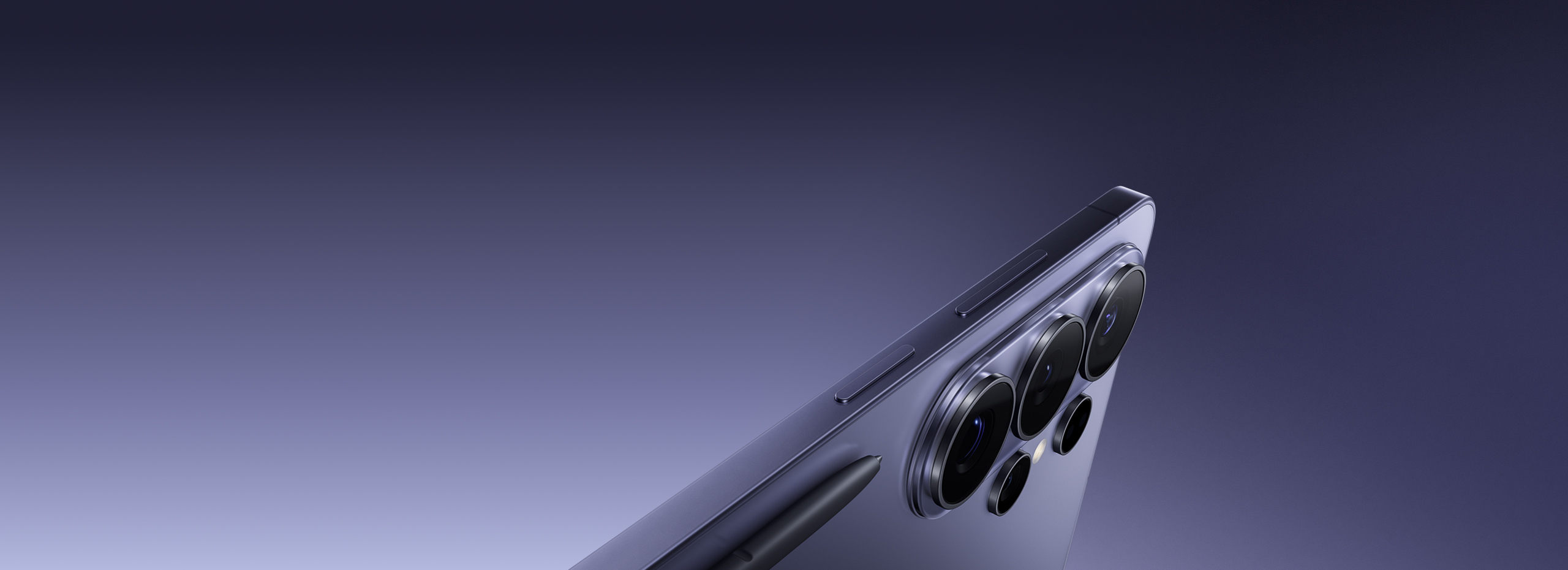
Software is where Nothing continues to separate itself from the pack. Nothing OS 4.1 on Android 16 keeps the interface sparse, stylish and much less cluttered than many competitors. The monochrome dot-matrix look will not appeal to everybody, but it gives the phone a personality that feels deliberate rather than forced.
The more useful part is that Nothing's software ideas are not all superficial. Essential Space, now tied to a dedicated hardware button, sounds genuinely practical. Capturing a screen, attaching a voice note and turning that into tasks or reminders is a smart use of lightweight AI, especially because it serves productivity instead of just creating novelty features. The app drawer's automatic categorisation also sounds more helpful than flashy, which fits the broader Nothing software philosophy rather well.
The Glyph Matrix remains divisive. For some people it will still be a gimmick. For others, it is a genuinely handy way to see battery state, timers, caller cues or framing help for the rear cameras. Either way, Nothing deserves credit for continuing to try something different instead of copying mainstream Android skins.
The bigger problem is update policy. Three years of major Android updates is simply not enough at this price when several rivals promise much longer platform support.
Battery life
Battery life is a strength. The 5080mAh cell, paired with Nothing's leaner software approach and efficient silicon, reached 21 hours, 11 minutes and 52 seconds in measured results. That is not the absolute best in the segment, but it is firmly in the very good bracket and should translate into a stress-free full day with headroom to spare. It also matters that the phone reaches that figure without resorting to an oversized chassis or an obviously compromised feature set.
For normal mixed use, that likely means social media, maps, camera use and streaming without having to think too hard about the charger. In a competitive mid-range class, dependable endurance is worth more than a slightly faster benchmark chart.
Charging
Charging is less impressive than the battery life itself. Nothing advertises 50W fast charging, but the measured behaviour is more hesitant than that headline suggests. The phone appears to start slowly, and the average power ends up looking much less ambitious than the peak number.
A 19 per cent recovery in 10 minutes and a full charge in 1 hour 7 minutes is fine, but not class-leading. The absence of wireless charging also stands out. At this price, that omission does not automatically kill the product, but it does make the Phone (4a) Pro feel less complete than its eye-catching design suggests.
Audio and media use
Stereo speakers and a large, colour-accurate AMOLED panel make this a strong media phone. The speaker system seems clear enough, with good separation and respectable loudness, even if bass depth is limited by the thin chassis. That is normal enough for the class.
Combined with the screen quality, the result should be a phone that handles streaming and casual gaming well. It is another example of Nothing getting the fundamentals right even when it cannot outmuscle the most expensive rivals.
Main camera performance
Nothing has made a smart choice in prioritising camera versatility. The 50MP main camera appears to do solid work in daylight, balancing detail and colour without leaning too hard into artificial processing. Low-light performance also sounds respectable thanks to optical stabilisation and sensible tuning. That makes the Phone (4a) Pro feel more dependable than the sort of style-led phone that looks good on a launch slide but disappoints once you start shooting in mixed conditions.
This is important, because a phone at this price cannot rely on design alone. It needs a dependable primary camera, and the Phone (4a) Pro seems to deliver one.
Ultra-wide and zoom
The ultra-wide is the clear weak point. Detail falls away, night performance suffers and it simply does not keep pace with the rest of the camera system. That is disappointing, though not surprising for the segment. The gap matters more here because the main and zoom cameras are good enough to raise expectations for the whole package.
The more interesting story is the periscope telephoto. A proper 3.5x zoom camera is still unusual at this price, and it gives the Phone (4a) Pro a more ambitious photographic profile than many of its direct competitors. If zoom matters to you, this alone makes the device far more interesting than another anonymous mid-range handset with a token macro lens.
Verdict
The Nothing Phone (4a) Pro succeeds because it has a clear identity and enough substance behind it. The design is memorable, the display is very well tuned, the software remains refreshingly thoughtful and the inclusion of a true zoom camera adds real value.
It is not perfect. Performance is merely solid, the ultra-wide camera is weak and the update commitment is too short. Even so, if you want a mid-range Android phone with real personality and fewer obvious compromises than most style-first devices, the Phone (4a) Pro is one of the more appealing options in its bracket.
That extra polish is what keeps the phone competitive instead of merely quirky. in practice today.
Ready to Purchase?
Check current prices and availability
Affiliate Disclosure: As an Amazon Associate I earn from qualifying purchases. Truthful Reviews may receive a commission when you buy through eligible Amazon UK or Amazon US links, at no extra cost to you. Affiliate partnerships never determine our verdicts or recommendations.