
Quick Specs
Our Verdict
The Samsung Galaxy S26 remains one of the most polished compact Android flagships around, but it feels too incremental for the money. A superb screen, mature software and dependable cameras keep it competitive, yet the higher price, dated charging and underwhelming endurance stop it short of feeling like a clear step forward.
Research sources
Sources recorded for this page are linked below. Reported third-party testing belongs to the original publisher; it is not testing performed by Truthful Reviews.
Our editorial process
Research method, author and affiliate-independence details
Our editorial process
Research method, author and affiliate-independence details
Prepared by our editorial team using verified source material, product research, and a British-English editorial rewrite before publication.
- We review the working bundle for product facts, comparisons, and buyer-relevant tradeoffs before publishing.
- Non-English source material is translated into British English and rewritten into our house style without carrying over publication branding.
- Affiliate links and price references are handled separately from editorial judgements and never determine the verdict.
Read our full methodology: how we review
Affiliate links never determine our verdicts. Commercial relationships are disclosed separately from the editorial assessment, and we aim to keep buyer guidance clear, specific, and evidence-based.
Pros & Cons
Pros
- Excellent AMOLED display with strong outdoor brightness
- One UI 8.5 remains polished and practical
- Fast, reliable ultrasonic fingerprint reader
- 256GB storage as standard
- Seven years of Android and security updates
- Comfortable compact flagship design
Cons
- Still limited to 25W wired charging
- No Qi2-style magnetic charging support
- Ultrawide camera trails the other lenses
- Battery life is weaker than the Galaxy S25 despite the larger cell
- The price rise is difficult to justify against the limited upgrades
Full Specifications
Key Features
Excellent AMOLED display with strong outdoor brightness
One UI 8.5 remains polished and practical
Fast, reliable ultrasonic fingerprint reader
256GB storage as standard
Seven years of Android and security updates
Comfortable compact flagship design
Price and availability
Samsung positions the Galaxy S26 as the gateway into its premium phone range, but it is not cheap entry-level flagship hardware. The list price sits at GBP999, which is GBP100 above the Galaxy S25 it replaces. Samsung softens that blow by making 256GB the new starting storage tier instead of 128GB, while 12GB of RAM remains standard across the range.
That pricing puts the Galaxy S26 in a crowded part of the market. Buyers shopping around this level can already see strong alternatives from Apple, Google and OnePlus, so Samsung needed more than a routine specification bump to make the smaller S26 feel compelling.
Design and handling
At first glance the Galaxy S26 looks extremely close to the Galaxy S25. Samsung sticks with a flat front and back, Gorilla Glass Victus 2 and flat Armour 2 aluminium rails, plus the same IP68 water and dust resistance. The main visual change is the rear camera area, where the three lenses now sit inside a thicker shared island. It looks cleaner, but it also means the phone rocks more noticeably on a table.
The chassis is still easy to like. At 7.2mm thick it remains slim, and the move from a 6.2in to a 6.3in screen has only made the handset slightly taller and wider. The compact shape is still one of its biggest strengths, because the power and volume buttons stay easy to reach and the phone feels more manageable than many rival flagships. The back panel is slippery, though, so it is still a phone that benefits from a case.
Samsung's ultrasonic fingerprint reader remains quick and reliable, even with less-than-perfectly clean fingers. Dual nano-SIM support is available, and the phone also supports eSIM, although only two lines can be active at the same time.
Display quality
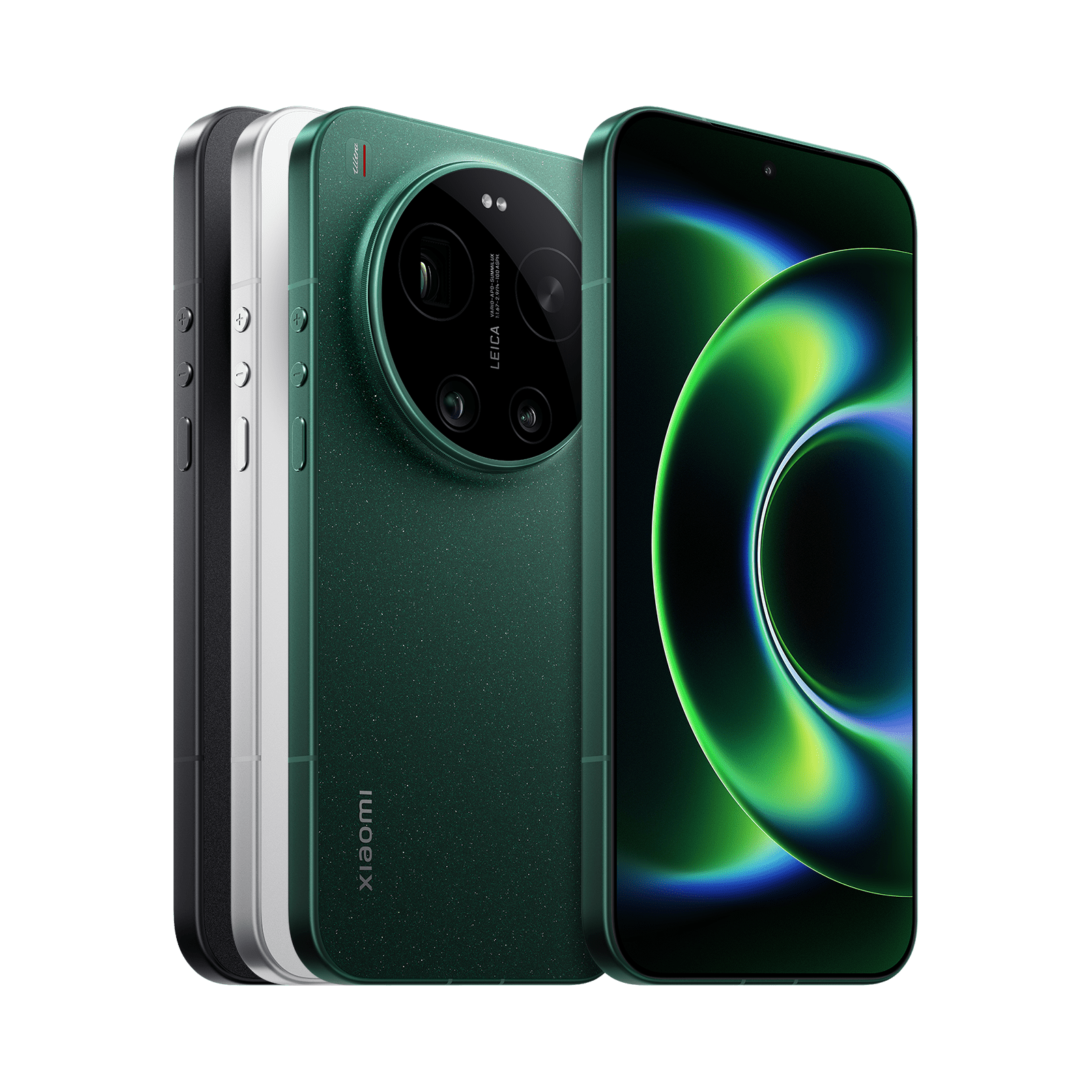
The Galaxy S26 keeps a very strong display formula. It uses a 6.3in Dynamic AMOLED panel with a 2340 x 1080 resolution, 411ppi density, LTPO refresh rate up to 120Hz and HDR support up to HDR10+. In practice, that means the basics are already in place for a premium viewing experience: sharp text, smooth scrolling and the kind of contrast only OLED can deliver well.
There is one notable omission. Samsung's new Privacy Display feature is reserved for the Galaxy S26 Ultra, so buyers opting for the smaller model do not get that headline addition. Outside that, there is very little to criticise in day-to-day use.
Brightness and colour accuracy
Measured peak brightness reaches 2484 cd/m2 in boost conditions, which is excellent even if it does not match the very brightest competitors. HDR video brightness reaches 1447 cd/m2, keeping pace with high-end rivals closely enough that HDR films and streaming video still look convincing. Manual brightness is more limited at 485 cd/m2, so automatic brightness is the setting to leave enabled if outdoor visibility matters.
Colour tuning is good rather than perfect. The default profile runs a little cool, while Samsung's Natural mode improves sRGB fidelity but shifts white balance slightly warm. The overall result is still comfortably flagship-grade, and it is hard to argue with the combination of strong readability, deep contrast and very low minimum brightness for dark-room use.
One UI 8.5 and long-term support
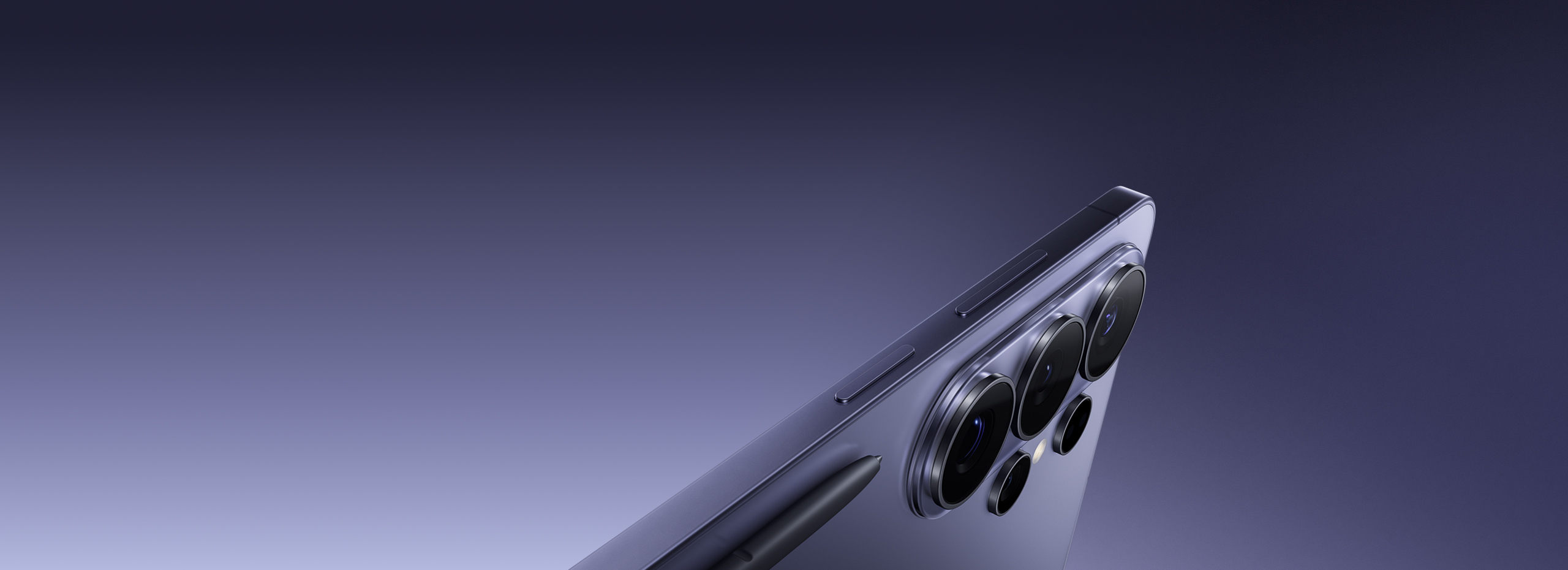
One UI 8.5, built on Android 16, is one of the strongest reasons to consider the Galaxy S26. Samsung still promises seven years of Android version updates and seven years of security patches, which remains one of the best support commitments in the Android market.
The software itself looks like a refinement rather than a reinvention. The updated quick settings layout separates brightness and volume controls into larger horizontal bars, which is a real usability improvement. Features such as Now Brief, Now Bar and the new Now Nudge continue Samsung's push towards context-aware software suggestions, while the refreshed image editing tools and upgraded Bixby assistant show how aggressively Samsung is folding AI features into the experience.
Not every regional integration is fully in place yet, but the overall software package still feels polished, mature and practical.
Cameras: familiar hardware, dependable results
Samsung has not reinvented the Galaxy S26 camera hardware. The rear system is effectively carried over: a 50MP main camera, a 10MP 3x telephoto and a 12MP ultrawide, plus a 12MP selfie camera. That sounds conservative on paper, and it is, but the day-to-day output is still generally reliable.
The main camera produces attractive daylight images with natural colour and good dynamic range. Night shots introduce more noise, yet the results stay usable and balanced rather than collapsing into mush. The telephoto camera is still worth having, especially in daylight where the 3x zoom delivers a meaningful reach advantage without ruining detail.
Main camera, telephoto and digital zoom
The main sensor is the most trustworthy part of the camera system. It captures plenty of detail in good light and handles contrast-rich scenes well enough that shadow detail rarely gets crushed. Night photography is less impressive, but still perfectly serviceable for a compact flagship.
Samsung's 3x telephoto remains useful rather than ornamental. It works well when there is enough light, and even at night it stays more convincing than a lot of token telephoto units on smaller premium phones. Push past that into digital zoom territory and the compromises become clearer, but 10x shots remain readable enough for things like signs or distant text.
Portraits, selfies and the ultrawide
Portrait mode is another strength. Subject separation is handled cleanly, and while the background blur does not have the natural depth roll-off of a dedicated camera, the effect still looks believable most of the time. The 12MP front camera also does a solid job with detail and skin tones.
The weakest link is the ultrawide. In bright conditions it is acceptable, with distortion kept under reasonable control, but the drop in image quality is easy to spot as soon as the lighting gets more difficult. Backlit scenes and low-light shots expose its limitations quickly.
Performance and connectivity
Samsung's decision to keep Snapdragon 8 Gen 5 exclusive to the Galaxy S26 Ultra leaves the standard Galaxy S26 running Exynos 2600 in most markets. That chipset does not dominate benchmarks the way Qualcomm's best silicon does. Single-core performance is underwhelming relative to both the Galaxy S25 and the Snapdragon-powered competition.
Even so, the picture is not entirely negative. Multi-core figures remain competitive, graphics performance is stronger than expected, and sustained stress results are good enough that the phone stays usable without getting uncomfortably hot. Peak outer temperature stays around 43C, which is warm but controlled.
In real use, the Exynos 2600 is still fast enough for everyday flagship duties. The bigger issue is not whether the S26 feels slow, because it does not, but whether it justifies its price against faster rivals. Connectivity is comprehensive, with NFC, Bluetooth 5.4, Wi-Fi 7, dual physical SIM support and eSIM all present.
Battery life and charging
Battery capacity rises to 4300mAh, up from 4000mAh on the Galaxy S25, so it would be reasonable to expect better endurance. Instead, the opposite happens. Mixed-use stamina lands at 16 hours 37 minutes, which is below the Galaxy S25 and noticeably behind some direct rivals. It still beats the Google Pixel 10 Pro in this comparison set, but it trails the iPhone 17 and is nowhere near the league-leading OnePlus 15.
Charging is another area where Samsung looks too conservative. Wired charging remains capped at 25W, exactly as before. A compatible charger gets the battery to 18 per cent in 10 minutes and a full charge takes about 1 hour 26 minutes. That is not disastrous, but it is no longer remotely impressive at this price, and the absence of Qi2-style magnetic charging support makes the phone feel even more cautious.
Verdict
The Galaxy S26 is still a very good compact flagship. It pairs an excellent AMOLED display with polished software, reliable core cameras, strong ergonomics and market-leading long-term update support. For buyers who specifically want a smaller premium Android phone, that combination still has real appeal.
The problem is that Samsung has not moved far enough. The battery is bigger but endurance is worse, charging is stuck in the past, and the Exynos 2600 is good rather than class-leading. Add a GBP100 price rise on top and the Galaxy S26 becomes harder to recommend without qualification. It is easier to like as a refined continuation of the Galaxy S25 than as a must-buy 2026 upgrade.
Ready to Purchase?
Check current prices and availability
Affiliate Disclosure: As an Amazon Associate I earn from qualifying purchases. Truthful Reviews may receive a commission when you buy through eligible Amazon UK or Amazon US links, at no extra cost to you. Affiliate partnerships never determine our verdicts or recommendations.