Quick Specs
Our Verdict
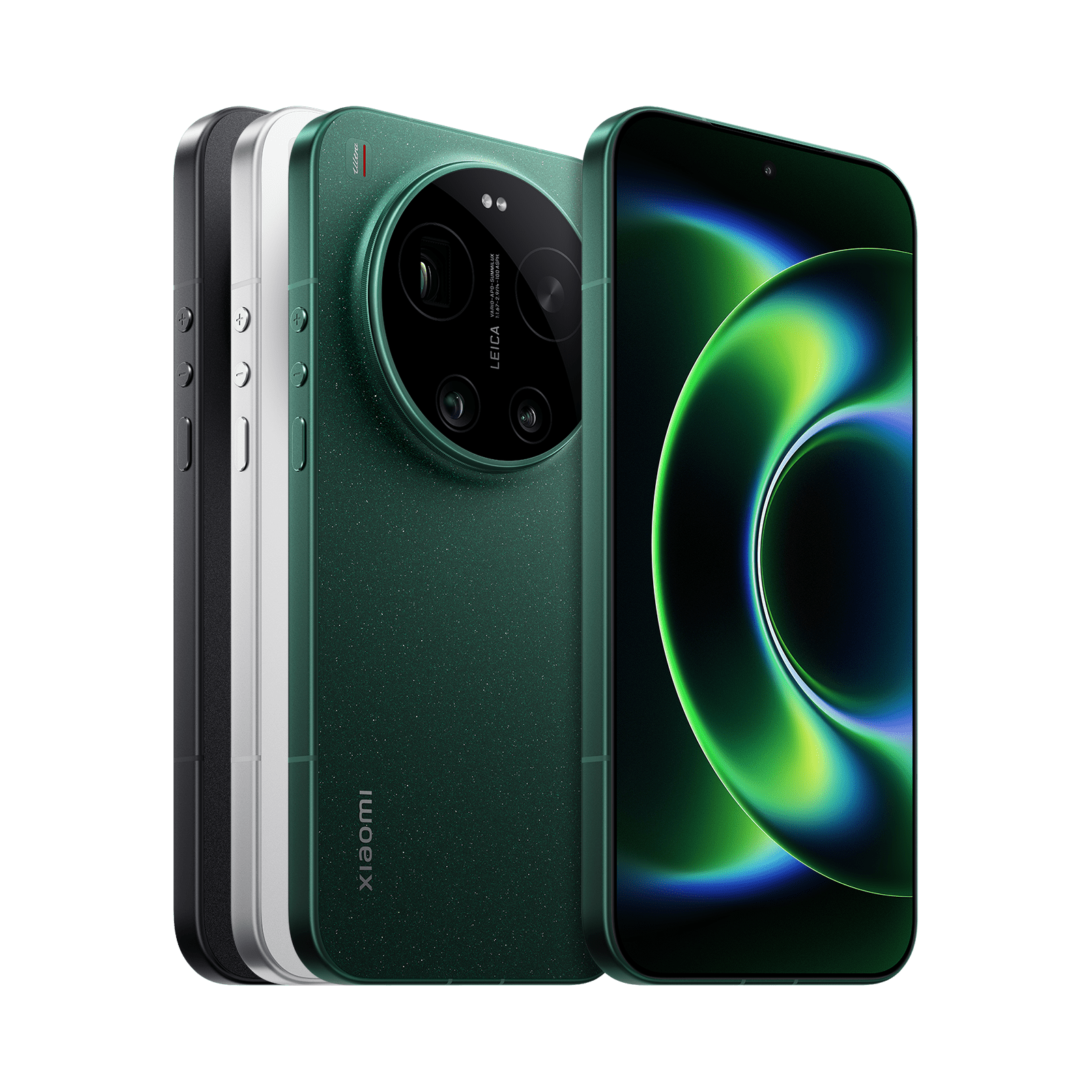
The Xiaomi 17 Ultra is a camera-led premium phone with first-rate brightness, strong endurance and one of the most distinctive photography packages in the flagship class. It is not the cleanest software experience, but it is one of the most interesting Android phones you can buy.
Research sources
Sources recorded for this page are linked below. Reported third-party testing belongs to the original publisher; it is not testing performed by Truthful Reviews.
Our editorial process
Research method, author and affiliate-independence details
Our editorial process
Research method, author and affiliate-independence details
Prepared by our editorial team using verified source material, product research, and a British-English editorial rewrite before publication.
- We review the working bundle for product facts, comparisons, and buyer-relevant tradeoffs before publishing.
- Non-English source material is translated into British English and rewritten into our house style without carrying over publication branding.
- Affiliate links and price references are handled separately from editorial judgements and never determine the verdict.
Read our full methodology: how we review
Affiliate links never determine our verdicts. Commercial relationships are disclosed separately from the editorial assessment, and we aim to keep buyer guidance clear, specific, and evidence-based.
Pros & Cons
Pros
- Excellent camera versatility with standout telephoto reach
- Useful Pro Photography Pack and Qi2-ready case
- Outstanding display brightness
- Strong battery life and very fast charging
- Distinctive Leica-led imaging character
Cons
- Large and heavy even by flagship standards
- HyperOS still includes too much clutter
- Sustained gaming thermals trail the best rivals
- Very expensive despite the accessory bundle
Key Features
Excellent camera versatility with standout telephoto reach
Useful Pro Photography Pack and Qi2-ready case
Outstanding display brightness
Strong battery life and very fast charging
Distinctive Leica-led imaging character
Price and market position
At GBP1499, the Xiaomi 17 Ultra is not pretending to be a value flagship. It is priced squarely against the Samsung Galaxy S26 Ultra and the most expensive premium Android handsets on the market. Xiaomi's argument is that you are getting more than just another large, powerful slab. The company is selling a camera-led package with a stronger accessories story, a bigger battery than many rivals and a specification sheet designed to look uncompromising.
That matters, because the Ultra line only works if buyers feel they are getting something genuinely special. A standard high-end phone with a larger screen would not be enough here. Xiaomi therefore leans hard into photography, charging speed and display quality to justify the premium.
Design and handling
The Xiaomi 17 Ultra is unapologetically large. At 218.4g with a vast circular camera module, it looks and feels more like a dedicated imaging device than a discreet everyday phone. That is not a flaw so much as a choice. Xiaomi wants you to see the Leica partnership, the enlarged optics and the camera-first identity before you even power it on.
The industrial design works better than the raw size suggests. The aluminium frame is well integrated, the back finish resists fingerprints effectively, and the flat display plus relatively thin bezels keep the front looking modern. Xiaomi has avoided gimmicky extra buttons as well, which is refreshing in a year full of manufacturers trying to bolt camera keys and AI shortcuts onto everything.
IP68 and IP69 certification also strengthen the premium story. You do need to accept the bulk, though. This is not a phone that disappears into a pocket or vanishes in the hand.
The Pro Photography Pack actually matters

The bundled Pro Photography Pack is one of the most interesting parts of the whole proposition. It is not just a token accessory. The magnetic case adds Qi2 compatibility that is otherwise missing from some direct rivals, and the camera grip makes the 17 Ultra behave far more like a compact camera when shooting horizontally.
The grip's additional battery, shutter control, zoom lever and programmable dial all make practical sense. More importantly, they fit the kind of buyer Xiaomi is targeting: someone who genuinely wants to take more photos, not just admire the spec sheet. The downside is that the thumb rest can get in the way when switching back to vertical use, so it is not a perfect add-on. Even so, it gives the Xiaomi 17 Ultra a more complete photographic identity than most premium phones manage.
Display brightness and colour
The 6.9-inch OLED panel is one of the phone's strongest achievements. Xiaomi's HyperRGB approach delivers a genuinely eye-catching result, and the measured brightness numbers are exceptional. A peak boost figure of 3567 cd/m² is class-leading in the source test data, while HDR performance stays close to the best phones in the class as well.
What matters just as much is that the panel is not simply bright for the sake of it. Colour handling is disciplined in the default mode, with a near-perfect white balance and excellent sRGB accuracy. P3 performance is slightly less precise, but still respectable. In practical terms, this means the display looks premium in bright daylight, remains comfortable in low light, and does not need constant colour-profile tweaking to feel right.
Software and long-term support
HyperOS 3 on Android 16 is polished in some areas and needlessly messy in others. Xiaomi has clearly improved the visual side of the interface. Animations are smooth, the overall presentation is more coherent than older MIUI-era software, and ecosystem integration appears to be one of its real strengths. The source review specifically praises how neatly casting and connected accessories slot into the interface, which gives the software a more premium feel than its pre-installed app list would suggest.
The familiar problems remain, though. Pre-installed apps still look cheap on a phone at this price, and Xiaomi's settings organisation can make simple tasks feel harder than they should. Software support is solid rather than class-leading, with five major Android updates and an extra year of security patches. That is respectable, but not the strongest long-term promise in the premium tier.
Main camera performance
The 50MP one-inch main camera is the foundation of the 17 Ultra's appeal, and it sounds excellent. Xiaomi's Leica-flavoured colour treatment gives images a distinctive identity, with deeper shadows and more character than the flatter output many phones prefer. That look will not suit everybody, but it is at least intentional rather than generic.
Detail retention appears strong, and the main camera seems especially convincing when light is good. This is not one of those premium phones that hides behind software tricks while the core sensor underdelivers. Xiaomi has put serious hardware here and the results appear worthy of it.
Variable telephoto and zoom
The 200MP variable-focal-length telephoto is the headline act. This is where Xiaomi most clearly separates the 17 Ultra from more conservative rivals. A 75mm to 100mm equivalent range gives it flexibility before you even start leaning on digital zoom, and the huge sensor provides room for impressively clean longer-range crops.
The source review suggests that image quality remains remarkably strong up to the equivalent of 200mm and still very usable around 400mm before AI reconstruction begins to show too much. That is a serious compliment for a pocketable device. Xiaomi also seems to maintain colour consistency across modules better than many multi-camera systems manage.
The ultra-wide is more ordinary, with less sharpness than the telephoto-heavy parts of the setup, but it still keeps colours coherent. The overall impression is of a camera system with a clear hierarchy: the main and telephoto cameras do most of the heavy lifting, and they do it very well.
Performance and heat
A Snapdragon 8 Elite Gen 5, 16GB of RAM and UFS 4.1 storage give the Xiaomi 17 Ultra the right ingredients for flagship speed. In straightforward synthetic testing it behaves exactly as you would hope, matching other Snapdragon-powered competitors and brushing aside slower mid-tier silicon.
The more awkward story appears under sustained graphical stress. The source review notes that Xiaomi's thermal tuning is not quite where it should be yet, with benchmark behaviour pointing to more heat than the Galaxy S26 Ultra under heavier loads. That does not make the phone slow. It does mean Xiaomi has not quite nailed the last layer of polish around sustained performance.
Battery life
Battery life is another major strength. Even with the European battery trimmed to 6000mAh rather than the Chinese model's 6800mAh, the Xiaomi 17 Ultra still reached 24 hours and 7 minutes in the source test protocol. That puts it firmly among the stronger endurance performers in the premium class.
It is not the absolute longest-lasting flagship on the market, but it is comfortably ahead of several high-profile rivals and more than good enough to support the phone's camera-heavy ambition. If you are using the device for travel, navigation, photography and heavy media use, that matters more than small benchmark wins.
Charging
Xiaomi remains far more aggressive than Samsung or Apple on charging, even if you need the company's own charger to see the full 90W HyperCharge benefit. In the source test, a complete charge took 51 minutes and the phone reached 25 per cent in 10 minutes. That is fast enough to change behaviour. You can top up meaningfully before heading out rather than planning around long charging windows.
Wireless charging up to 50W adds more flexibility, and the bundled photography case making Qi2 accessories practical only strengthens the overall package. In practice, that means the 17 Ultra is easier to live with as a premium daily device, not just a camera toy for weekends.
Verdict
The Xiaomi 17 Ultra feels like one of the few premium phones still trying to do something distinctive. It is not only powerful and long-lasting; it has a real point of view. The Leica-influenced camera tuning, variable telephoto system, record-bright panel and accessory-led photography story make it more characterful than many polished but generic flagships.
HyperOS remains a little too busy, and Xiaomi's thermal tuning still looks less refined than the best rivals under sustained load. Even so, if your priorities are photography, battery life and display quality rather than a cleaner software philosophy, the Xiaomi 17 Ultra is one of the most compelling high-end Android phones in the market.
Frequently asked questions
Is the Xiaomi 17 Ultra out — when was it released? It is out and reviewed here in full; the release-date questions dominating search interest are already answered by the shipping product this page covers.
What is the Leica edition — is the camera really Leica? The Leica partnership is central to the phone's identity rather than a separate edition: Xiaomi puts the Leica co-engineered optics and camera-first design forward before anything else, with IP68 and IP69 certification strengthening the premium story.
Ready to Purchase?
Check current prices and availability
Affiliate Disclosure: As an Amazon Associate I earn from qualifying purchases. Truthful Reviews may receive a commission when you buy through eligible Amazon UK or Amazon US links, at no extra cost to you. Affiliate partnerships never determine our verdicts or recommendations.