The phrase "waterproof phone" hides three quite different promises, and the number on the specification sheet tells you exactly which one you are being offered.
What the IP digits actually mean
An IP rating has two digits, and they are not interchangeable.
The first digit is dust. Almost every waterproof phone rates 6 here, meaning dust-tight. That part is rarely the differentiator.
The second digit is water, and this is where the real distinctions sit:
- 5 — as in IP65 — protection against water jets from a nozzle from any angle. Rain and a hosing down, not immersion.
- 7 — as in IP67 — protection against temporary immersion: the phone should survive up to 30 minutes in water up to 1 metre deep.
- 8 — as in IP68 — protection against continuous immersion, with the maker normally specifying separately how deep and for how long the phone may be submerged. That maker's figure is the one that matters, because IP68 alone does not state a depth.
One exclusion worth knowing: IP53 is splash protection only, and does not count as waterproof.
A commercial note behind all of this: certification costs money, so it tends to appear in more expensive models. A phone without a rating is not necessarily fragile — it is a phone whose maker did not pay to have the claim tested.
The picks
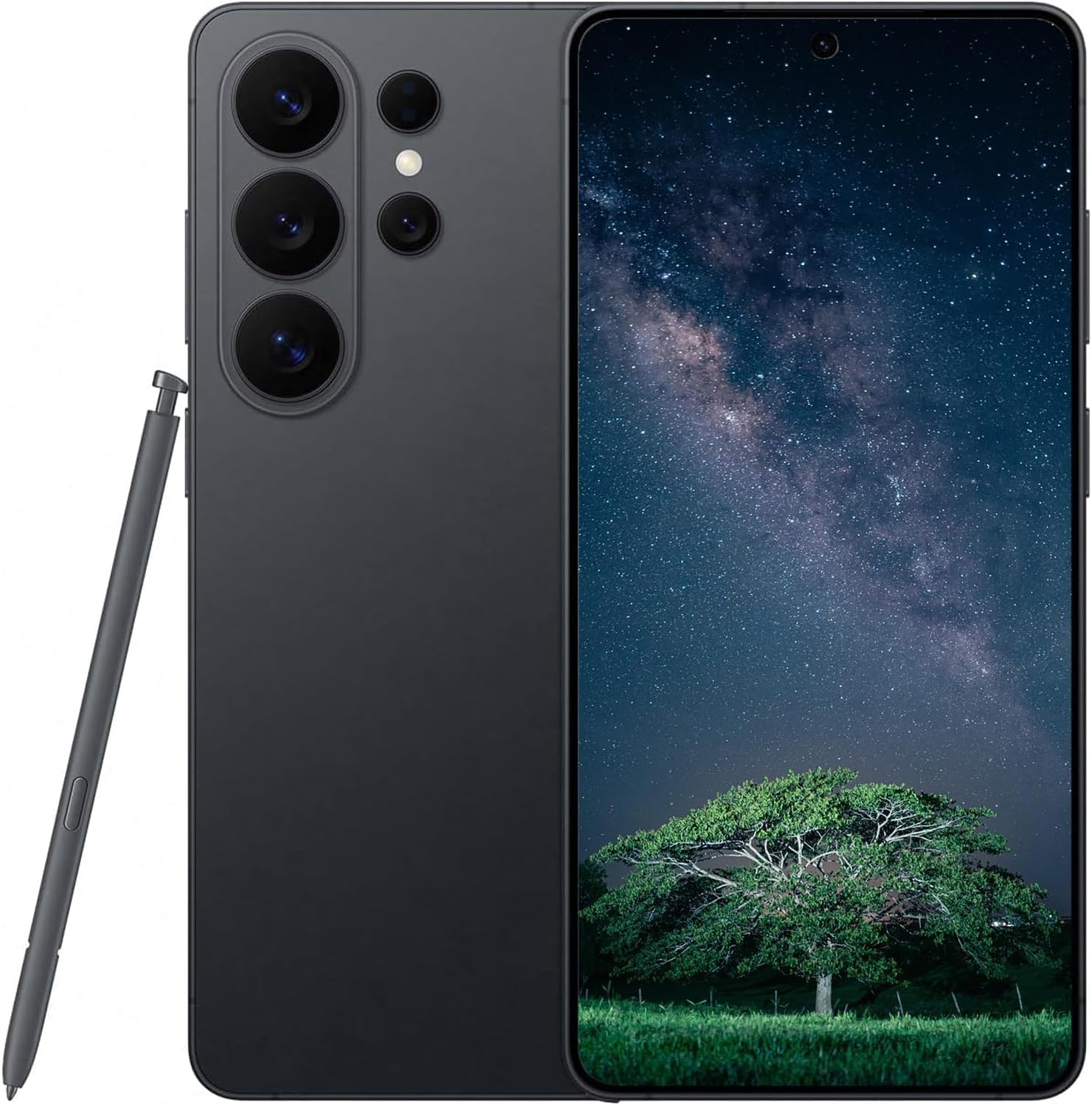
Best Android — Samsung Galaxy S26 Ultra. Rated IP68, and the strongest phone in the tested field overall as well as the fastest. Alongside the expected hardware its standout is the new Privacy Display: switch it on and nothing is legible from the side, and unlike a stick-on filter it can shield selected screen regions such as pop-ups or individual apps. Elsewhere expect small improvements over its predecessor in video, processor and charging speed. A genuinely useful alternative: if you do not need the privacy screen, the previous Galaxy S25 Ultra offers similar strength for less — with slightly better colour reproduction, a few minutes more endurance, a titanium body, and the same waterproofing.
Best iPhone — Apple iPhone 17 Pro. It leads the current iPhone generation and, after a long drought, returns to the top ten of the overall rankings, achieving best-in-class results in nearly every category — display, battery life, working speed and features. In the test scenario its battery life even beat the larger iPhone 17 Pro Max. It is the pick for the best current iPhone technology in a manageable size. If extras like the additional telephoto matter less to you, look at the standard iPhone 17 too: the same size, technically almost as good, without the thick camera block or the extra cooling.
Best mid-range — Honor 400 Pro. Beautifully made, with a satin glass back, matte frame and a display curved on every side. It is genuinely quick with top-class endurance, and it took a leading position in a 13-model Android comparison at its level, winning head-to-heads against direct rivals along the way. It also carries a Google service that converts photographs into video — a party trick, but a memorable one.
Best camera — Google Pixel 8 Pro. A photo finish that could have gone the other way: after a revision of the testing criteria it lands top of the camera rankings again, matching and in places bettering its own successors in the standard tested situations. It won the comparison against both the 7- and 8-series Pixels outright, and held its own in a direct photographic comparison against the Galaxy S24 Ultra, Xiaomi 14 Ultra and Honor Magic 6 Pro. Note the methodology: AI extras such as Magic Eraser and Magic Editor do not count towards the photo quality score. On the measuring bench its readings are near-identical to the Pixel 9 Pro XL, and the newest Pixels sit at a comparable level without scoring better.
Best Xiaomi — Xiaomi 17 Ultra. Top of the Xiaomi rankings and into the front rank of the wider field. Screen brightness is outstanding, it is among the fastest phones tested, and battery life improves enormously over its predecessor. At long zoom settings it gains so much ground that Google's telephoto supremacy looks genuinely threatened. The one thing holding it back from a still better result is a familiar weakness carried over from the previous generation: selfies in poor light.
Best budget — Poco M8 Pro 5G. A strong debut in the entry tier from Xiaomi's sub-brand: a terrific, super-bright display and a 6,500 mAh battery that does not spoil the phone's figure and puts it among the five most enduring phones tested anywhere. Speed is fine and the main camera takes genuinely good photographs. Over much of its specification it is a technical twin of the Redmi Note 15 Pro+ 5G, at a keener position in the range.