Xiaomi 17 Ultra vs Google Pixel 10 Pro
Xiaomi 17 Ultra vs Google Pixel 10 Pro: a hardware flagship against Google's AI-first Pixel, compared on design, screen, performance, cameras, battery and price.
 By John HigginsPublished
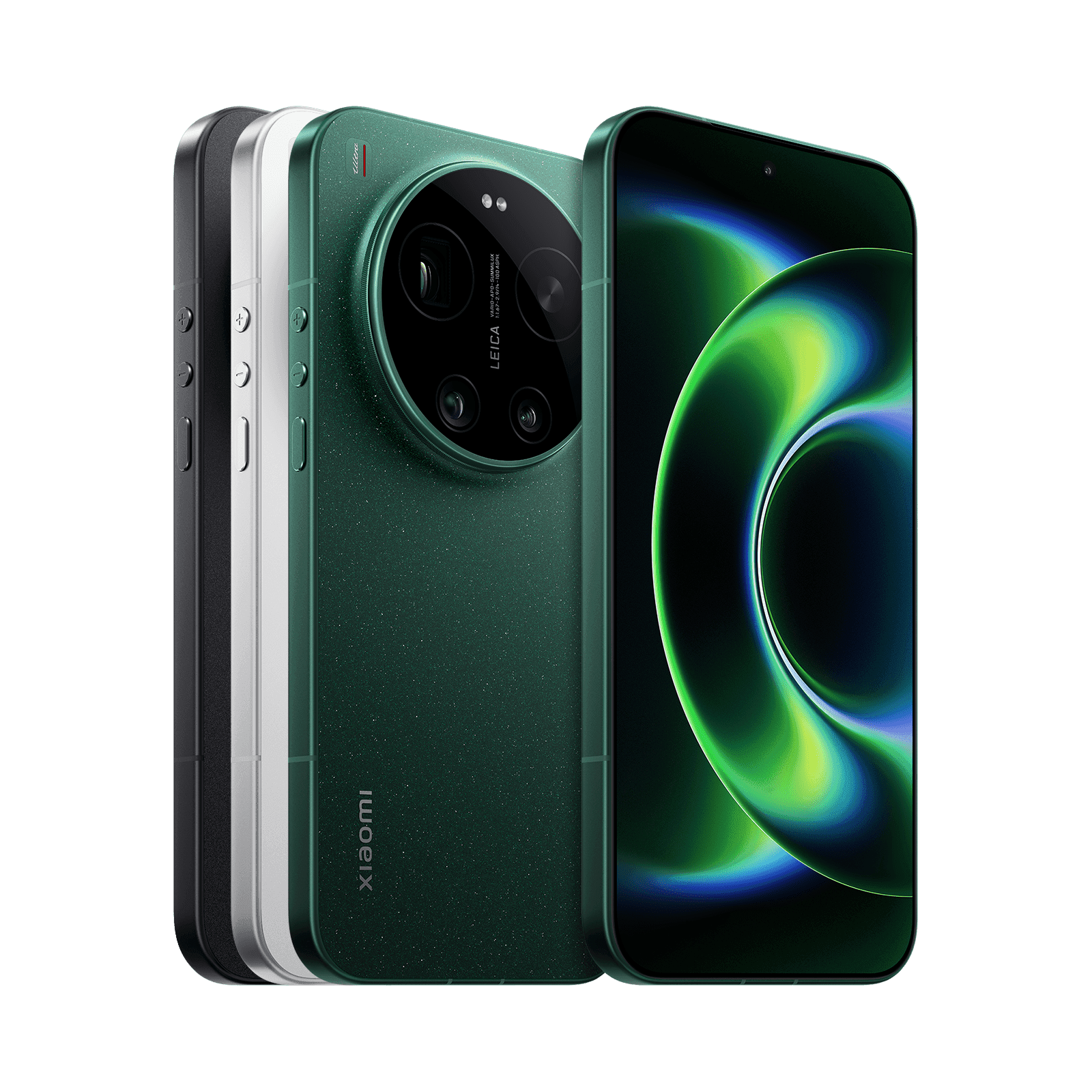
Xiaomi 17 Ultra
4.5/5 review rating

Google Pixel 10 Pro
4.7/5 review rating
Verdict
Buy the Xiaomi 17 Ultra if you want the most powerful hardware money can buy in an Android phone: the fastest chip, the one-inch camera sensor and 200-megapixel continuous-zoom telephoto, the bigger 6.9-inch screen and the enormous, fast-charging 6000 mAh battery. It is the spec-sheet champion, and priced accordingly.
Both are excellent Android phones; you are choosing between the Xiaomi's raw hardware ceiling and the Pixel's software smarts, longer support and lower price.
Where to buy
Disclosure: As an Amazon Associate I earn from qualifying purchases. Truthful Reviews may receive a commission when you buy through eligible Amazon UK or Amazon US links, at no extra cost to you. Affiliate partnerships never determine our verdicts or recommendations.
Strengths and weaknesses
Xiaomi 17 Ultra
Strengths
- Excellent camera versatility with standout telephoto reach
- Useful Pro Photography Pack and Qi2-ready case
- Outstanding display brightness
- Strong battery life and very fast charging
- Distinctive Leica-led imaging character
Weaknesses
- Large and heavy even by flagship standards
- HyperOS still includes too much clutter
- Sustained gaming thermals trail the best rivals
- Very expensive despite the accessory bundle
Google Pixel 10 Pro
Strengths
- Best display score in the field at test: 2,625 cd/m² measured, 494 ppi, 1-120 Hz
- Camera excellence: very good (1.4) in daylight AND low light
- Digital zoom extended from 30x to 100x with AI reconstruction
- 8K 30 fps video; 42 MP autofocus front camera
- Strong measured battery life: 16:27 hrs LTE
- Charging improved to 1:30 full / 54% in 30 minutes; magnetic Qi2
- Wi-Fi 7, Bluetooth 6.0, USB-C 3.2, temperature sensor
- Security updates promised until 2032
- 16 GB RAM; IP68; Nano-SIM plus eSIM with dual 5G
Weaknesses
- Tensor G5 remains good rather than class-leading (112 vs 180 fps benchmark)
- Smallest battery of the three Pixel 10 models
- Mandatory battery-health throttling begins at 200 charge cycles
- Camera hardware unchanged from the predecessor
- No charger in the box
- Rated "expensive" (4.3) for price
Specifications
| Xiaomi 17 Ultra | Google Pixel 10 Pro | |
|---|---|---|
| Processor | ||
| Processor | Qualcomm Snapdragon 8 Elite Gen 5 | Google Tensor G5 (1+5+2, 3,780 MHz), 16 GB RAM; GFX-Bench 112 fps |
| Display | ||
| Display | 6.9-inch | 6.3-inch OLED, 2,856 x 1,280, 494 ppi, 1-120 Hz, 2,625 cd/m² measured |
| Recorded for only some products | ||
| Recorded for only some products | ||
| Operating system | ||
| Operating system | Android 16 | Not listed |
| RAM | ||
| RAM | 16GB | Not listed |
| Storage options | ||
| Storage options | 512GB, 1TB | Not listed |
| Test grade | ||
| Test grade | Not listed | Very good (1.4); 33rd of 262 (August 2026), 9th of 234 at launch |
| Battery (measured) | ||
| Battery (measured) | Not listed | 4,870 mAh; 16:27 hrs LTE / 14:51 hrs 5G |
| Charging | ||
| Charging | Not listed | 1:30 full; 54% in 30 min; magnetic Qi2 wireless |
| Camera | ||
| Camera | Not listed | 50 MP main + 48 MP ultra-wide + 48 MP 5x tele; daylight and low light both 1.4 |
| Zoom | ||
| Zoom | Not listed | Optical 5x; digital to 100x with AI reconstruction |
| Video | ||
| Video | Not listed | 8K at 30 fps; 4K at 60 fps |
| Connectivity | ||
| Connectivity | Not listed | Wi-Fi 7, Bluetooth 6.0, USB-C 3.2, NFC; Nano-SIM + eSIM dual 5G |
| Durability | ||
| Durability | Not listed | IP68; fingerprint and face unlock |
| Updates | ||
| Updates | Not listed | Security updates until 2032; tested on Android 16 |
| Size and weight | ||
| Size and weight | Not listed | 153 x 72 x 12.2 mm, 207 g |
Full analysis
The Xiaomi 17 Ultra and the Google Pixel 10 Pro are both premium Android phones, but they pull in opposite directions. Xiaomi throws the most ambitious camera and performance hardware it can at the problem; Google leans on clever software, artificial intelligence and the longest update promise in the business. They are priced differently too, with the Pixel now the more affordable of the two. Here is how they compare, drawn from independent expert reviews of each, with current UK prices.
At a glance
The Xiaomi 17 Ultra (around £1,099.00) is the hardware flagship: a one-inch main sensor, a 200-megapixel continuous-zoom telephoto, the fastest Android chip, a big 6.9-inch screen and an enormous 6000 mAh battery in a 218.4 g body. The Google Pixel 10 Pro (around £713.99) is the smart, compact all-rounder: outstanding computational photography, deep Google AI, seven years of updates and a smaller, easier-to-handle body — for a good deal less money. One is a spec monster; the other is the cleverer, cheaper companion.
Check the Xiaomi 17 Ultra price on Amazon · Check the Pixel 10 Pro price on Amazon
Software and updates
Both run Android, but the experience differs. The Pixel 10 Pro runs Google's own clean version of Android with the newest AI features built in — from photo editing to on-device assistance — and Google promises seven years of OS and security updates, the longest commitment around. The Xiaomi 17 Ultra runs HyperOS, which is fast and heavily featured, and is also supported for years. If you want the purest Android, the deepest AI tools and the longest support, the Pixel leads here; if you prefer Xiaomi's richer, more customisable software, HyperOS delivers.
Design and build
Size is the first practical split. The Xiaomi 17 Ultra is a large phone, measuring 162.9 x 77.6 x 8.3 mm and weighing 218.4 g, built around a big screen and a substantial camera module. The Pixel 10 Pro is noticeably more compact and lighter at around 207 g, built around a smaller 6.3-inch display that suits one-handed use. Both are premium and carry IP68 dust and water resistance. If you want a phone that disappears into a pocket, the Pixel is the easier companion; if you want the bigger canvas and don't mind the heft, the Xiaomi obliges.
Screen
Both use excellent OLED panels at 120 Hz. The Xiaomi 17 Ultra's is larger at 6.9 inches and claims a very high 3500 nits of peak brightness, so it is superb in direct sun. The Pixel 10 Pro's 6.3-inch panel is smaller but also very bright, peaking at around 3000 nits, and its more compact size is easier to use one-handed. Both are gorgeous, high-refresh displays; the Xiaomi gives you more screen and higher peak brightness, the Pixel a more manageable one that is still bright enough for any conditions.
Performance
This is a clear Xiaomi win. The Xiaomi 17 Ultra runs the latest Snapdragon 8 Elite Gen 5 with 16 GB of RAM and storage up to 1 TB, and it is among the fastest phones on the market. The Pixel 10 Pro runs Google's own Tensor G5, which is tuned for AI and efficiency rather than raw speed and trails the top Qualcomm chips in outright benchmarks. In daily use the Pixel feels quick and fluid, and its AI features are a genuine draw, but for gaming and the heaviest workloads the Xiaomi's chip is meaningfully more powerful and pairs with up to 1 TB of storage for those who want the headroom.
Cameras
Both are superb, but they get there differently. The Xiaomi 17 Ultra is built around camera hardware: a 50-megapixel one-inch main sensor for outstanding light-gathering, a 50-megapixel ultra-wide and a standout 200-megapixel telephoto with a continuous mechanical zoom that glides smoothly through its range, the whole system tuned with Leica. The Pixel 10 Pro takes a computational route: a triple camera with a 5x optical telephoto, backed by Google's class-leading image processing and AI tools that deliver consistently excellent, natural results with almost no effort. For raw photographic ambition and long-range zoom the Xiaomi's one-inch sensor and continuous telephoto lead; for reliable point-and-shoot brilliance and clever AI editing the Pixel is hard to beat.
Battery and charging
The Xiaomi has a decisive advantage. It packs a large 6000 mAh battery and charges at 90 W wired plus 50 W wirelessly, so it lasts well and refuels very quickly. The Pixel 10 Pro carries a smaller battery of around 4,870 mAh and charges far more slowly, at roughly 30 W wired with 15 W Qi2 wireless. Both will see out a day, but the Xiaomi lasts longer and tops up in a fraction of the time; on endurance and especially charging speed it is in a different league.
Price and verdict
At the time of writing the Xiaomi 17 Ultra is around £1,099.00 and the Pixel 10 Pro around £713.99, so the Pixel undercuts the Xiaomi by roughly £385 — a significant saving.
Buy the Xiaomi 17 Ultra if you want the most powerful hardware money can buy in an Android phone: the fastest chip, the one-inch camera sensor and 200-megapixel continuous-zoom telephoto, the bigger 6.9-inch screen and the enormous, fast-charging 6000 mAh battery. It is the spec-sheet champion, and priced accordingly.
Buy the Google Pixel 10 Pro if you want the cleverest, cleanest phone for less: the best computational photography, the deepest Google AI, seven years of updates and a compact, pocket-friendly body — all for around £385 less. Both are excellent Android phones; you are choosing between the Xiaomi's raw hardware ceiling and the Pixel's software smarts, longer support and lower price.
Research sources
Sources recorded for this page are linked below. Reported third-party testing belongs to the original publisher; it is not testing performed by Truthful Reviews.