

Battle Rounds
Scores compare the available published review ratings across 1 rated category. Missing ratings do not count as a win, loss or draw. These scores are not an editorial recommendation.
Overall
Design
Not comparableFeatures
Not comparableValue
Not comparableXiaomi 17 Ultra
Strengths
- Excellent camera versatility with standout telephoto reach
- Useful Pro Photography Pack and Qi2-ready case
- Outstanding display brightness
- Strong battery life and very fast charging
- Distinctive Leica-led imaging character
Weaknesses
- Large and heavy even by flagship standards
- HyperOS still includes too much clutter
- Sustained gaming thermals trail the best rivals
- Very expensive despite the accessory bundle
Apple iPhone Air
Strengths
- Superb design
- Remarkably thin and light
- Fast A19 Pro performance
- Excellent, well-calibrated screen
Weaknesses
- Expensive
- Poor battery life and slow charging
- Weak single-camera system
- Mono speaker and USB 2 port
Technical Specifications
| Specification | Xiaomi 17 Ultra | Apple iPhone Air |
|---|---|---|
| Operating system | Android 16 | iOS 26 |
| Chipset | Qualcomm Snapdragon 8 Elite Gen 5 | — |
| RAM | 16GB | 8 GB |
| Storage options | 512GB, 1TB | — |
| Display size | 6.9-inch | — |
| Processor (SoC) | — | Apple A19 Pro |
| Storage | — | 256 GB, 512 GB, 1 TB |
| Display | — | 6.5-inch Super Retina XDR, 1-120Hz ProMotion |
| Thickness / weight | — | 5.6 mm / 165 g |
| Rear camera | — | Single 48MP (26mm wide) |
| Battery | — | 3,149 mAh |
Our Expert Analysis
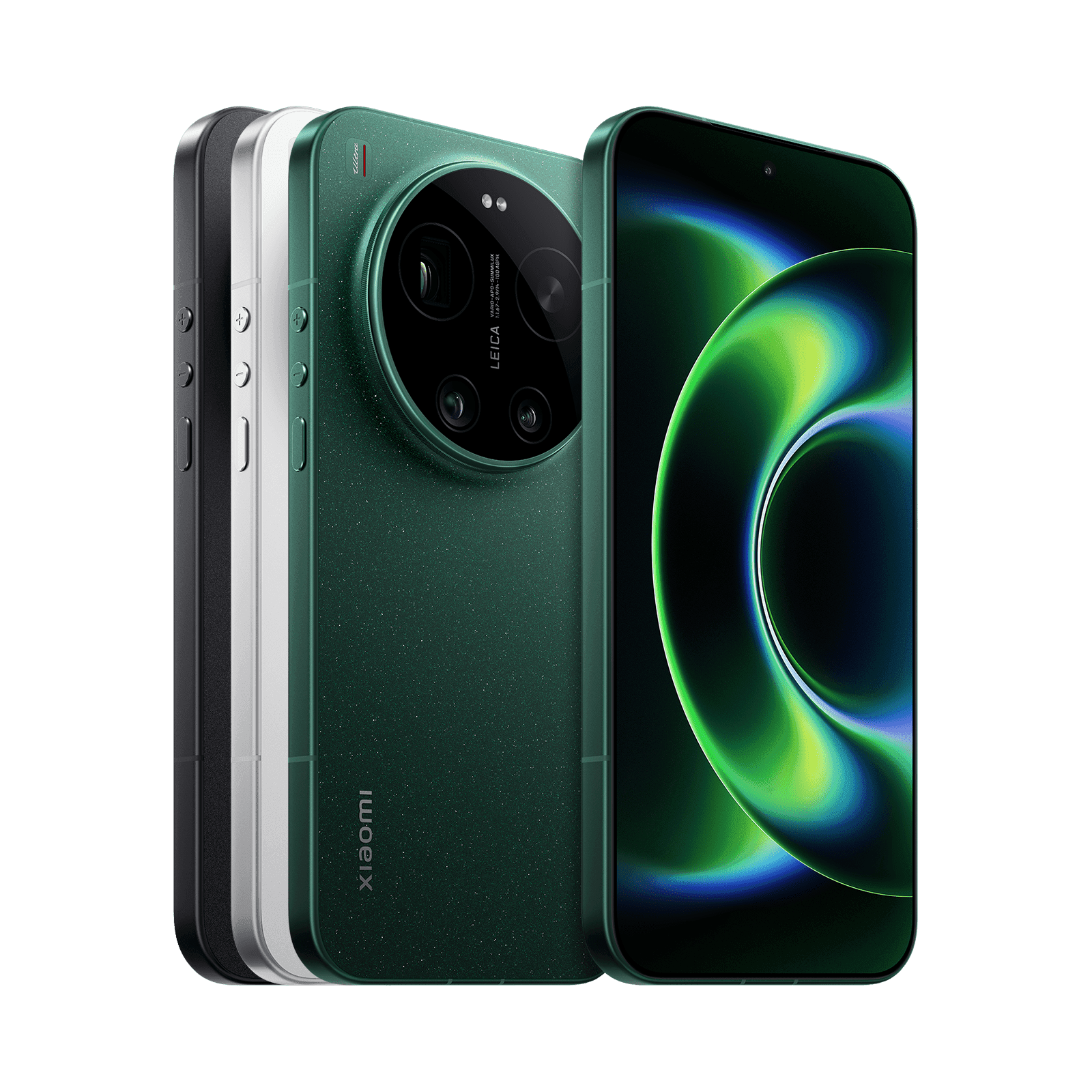
The Xiaomi 17 Ultra and the iPhone Air sit at opposite ends of what a flagship phone can be. The Xiaomi is a no-holds-barred powerhouse, built around the most ambitious camera hardware and a huge battery. The iPhone Air is Apple's boldest design phone in years, astonishingly thin and light, running iOS — but with real compromises to achieve that slim body. They run different operating systems and chase opposite goals, so this comes down to what you want from a phone. Here is how they compare, drawn from independent expert reviews of each, with current UK prices.
At a glance
The Xiaomi 17 Ultra (around £1,099.00) is the powerhouse: a one-inch main sensor, a 200-megapixel continuous-zoom telephoto, a big 6.9-inch screen and an enormous 6000 mAh battery, running Android. The iPhone Air (around £799.00) is the design statement: just 5.6 mm thin, beautifully light, with Apple's A19 chip and iOS — but a single camera and a small battery. One maximises capability; the other maximises how it looks and feels.
Check the Xiaomi 17 Ultra price on Amazon · Check the iPhone Air price on Amazon
Operating system
Start here, because it shapes daily life more than any spec. The Xiaomi 17 Ultra runs Android with Xiaomi's HyperOS, which is fast and heavily featured; the iPhone Air runs iOS, simpler and tightly linked to other Apple devices. Choose the ecosystem you already use — it is the decision you will live with every day. Both phones are supported for years, so neither will feel neglected.
Design and build
This is the iPhone Air's whole purpose. It is extraordinarily thin at just 5.6 mm and very light, in a premium titanium frame — a genuinely striking object to hold. The Xiaomi 17 Ultra is a much larger, heavier phone, measuring 162.9 x 77.6 x 8.3 mm and weighing 218.4 g, with a substantial camera module dominating the back. Both are premium and carry IP-rated dust and water resistance. If you want the thinnest, lightest phone made, the iPhone Air is unmatched; if you don't mind the heft in return for far more hardware, the Xiaomi delivers.
Screen
Both use excellent OLED panels at 120 Hz. The Xiaomi 17 Ultra's is larger at 6.9 inches and claims a very high 3500 nits of peak brightness, superb in direct sun. The iPhone Air's 6.5-inch display is smaller but bright and smooth, with Apple's polished ProMotion motion handling. Both look great; the Xiaomi gives you more screen and higher peak brightness, the iPhone Air a more compact panel to match its slim body.
Performance
Both are fast, from different camps. The iPhone Air uses Apple's A19 chip, which is quick and efficient in its slim body. The Xiaomi 17 Ultra runs the latest Snapdragon 8 Elite Gen 5 with 16 GB of RAM and storage up to 1 TB, and it is among the most powerful phones on the market. Both feel instant day to day; for gaming and the heaviest, sustained workloads the Xiaomi's flagship chip and generous memory give it a clear edge, while the iPhone Air prioritises efficiency over outright power.
Cameras
This is the Xiaomi's biggest advantage, and it is a large one. The Xiaomi 17 Ultra is a photography flagship first: a 50-megapixel one-inch main sensor for outstanding light-gathering, a 50-megapixel ultra-wide and a standout 200-megapixel telephoto with a continuous mechanical zoom that glides smoothly through its range, the whole system tuned with Leica. The iPhone Air, constrained by its thinness, relies on a single 48-megapixel rear camera — capable and nicely tuned, but with no ultra-wide and no dedicated telephoto. Apple's processing gets the most from that one lens, but for versatility, zoom and low light the Xiaomi is in a completely different class. If photography matters at all, the Xiaomi wins comfortably.
Battery and charging
Another decisive Xiaomi win. It packs a large 6000 mAh battery and charges at 90 W wired plus 50 W wirelessly, so it lasts well beyond a day and refuels very fast. The iPhone Air, thin as it is, carries a much smaller 3149 mAh battery and charges far more slowly, making endurance one of its main compromises. Both will get through a normal day, but the Xiaomi lasts far longer and tops up in a fraction of the time.
Price and verdict
At the time of writing the Xiaomi 17 Ultra is around £1,099.00 and the iPhone Air around £799.00, so the iPhone Air is about £300 cheaper — but you are paying for very different things.
Buy the iPhone Air if design is your priority and you want the thinnest, lightest, most beautiful iPhone, with iOS and Apple's ecosystem, and you can accept the compromises in camera versatility and battery life that its 5.6 mm body demands. It is a statement phone, and a lovely one to hold.
Buy the Xiaomi 17 Ultra if you want maximum capability: the best camera hardware on any phone, the biggest battery, the fastest charging and a bigger, brighter screen, all with flagship power. It costs more and is far chunkier, but for photography, endurance and sheer performance it is in another league. Choose your operating system first, then decide whether thinness or capability matters more to you.
Disclosure: As an Amazon Associate I earn from qualifying purchases. Truthful Reviews may receive a commission when you buy through eligible Amazon UK or Amazon US links, at no extra cost to you. Affiliate partnerships never determine our verdicts or recommendations.
Share Your Experience
Loading comments...