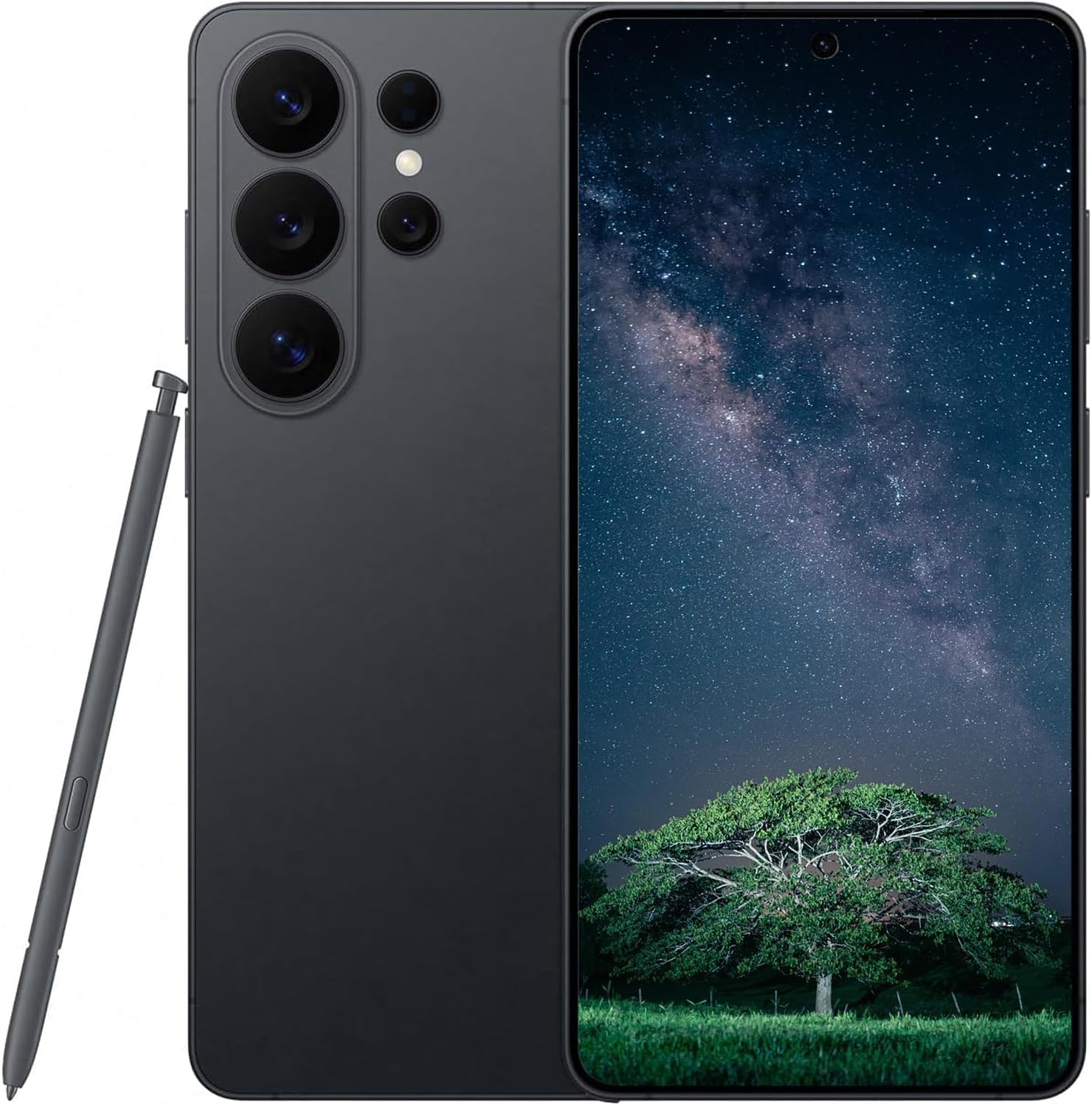
Samsung is the number one in the Android world. Xiaomi is the challenger that competes at every level at once — under the Xiaomi, Redmi and Poco names — and buyers widely treat those phones as the value answer, more technology for less money.
Is that reputation still deserved? Comparing the two brands tier by tier gives a more interesting answer than either camp expects: the winner changes with the tier, and the deciding factor is usually not the hardware at all.
How the comparison works
The referee is the lab test, and it is deliberately immune to brand image: only models that have completed testing and received a grade enter the reckoning, and where two phones tie, further decimal places separate them. Tier boundaries follow the current price of the cheapest variant of each model, so colour and storage versions can sit higher.
One theme runs through every tier below, so it is worth stating up front: software support length is now a first-order specification, not a footnote. It is where this comparison is repeatedly decided.
Entry level
Xiaomi's Redmi Note 14 5G offers the best overall package here. It sits in a grippy case, handles the great majority of everyday tasks, and its display is a genuine pleasure — sharp and contrast-rich. It also belongs to an increasingly rare species, keeping both a headphone jack and a memory card slot, and pairs 5G with contrast-rich OLED for the money. Gamers should look elsewhere: the processor is too weak.
Samsung now matches that formula and adds the thing Xiaomi cannot. The Galaxy A17 5G is more current, its operating speed is quite brisk and its 6.7-inch OLED delivers a contrast-rich picture — but the argument is updates promised until 2031. The trade is ergonomic: at 77.9 mm wide the body is chunky rather than dainty. Worth knowing, its predecessor the Galaxy A16 5G actually delivers better endurance and, in the end, a marginally better test grade.
Verdict: Xiaomi fields a solid Redmi candidate; Samsung offers the better update prospects.
The step up
Widen the budget and things get more interesting — the phones are faster, smarter and better.
The Redmi Note 14 Pro+ 5G brings a solid, waterproof body, attractive design and a terrific display, with outstanding charging speed. In this bracket it does a convincing impression of a more expensive phone. The catch is at the end of its life rather than the start: software support looks likely to run out with Android 17 in 2027.
Samsung's Galaxy A36 embodies the A-series virtues: a bright, colour-strong OLED, decent working speed, a usable everyday camera, and waterproofing. The large 6.7-inch display suits photos, video and heavy reading — and again, updates until 2031.
Verdict: the best phone in this tier is Xiaomi's; the better update prospects are Samsung's.
The mid-range
Here the Poco M8 Pro is the top tip, on the strength of a terrific, super-bright display and a huge battery that delivers exceptional runtime without spoiling the phone's figure. Poco guarantees 5 years of updates and security patches until 2032 — the point at which Xiaomi's sub-brand starts competing on Samsung's own ground.
Samsung has done its homework, though. The Galaxy A57 refreshes the bestselling A56 with improvements in almost every area, making it the best A-model so far. Against the Galaxy S class it lacks the last measure of processor power plus extras like a telephoto camera and wireless charging; otherwise it earns good to very good grades throughout. The OLED is bright and high-contrast, 5G and Wi-Fi 6 are aboard, eSIM works, and Samsung guarantees six years of updates, through to Android 22.
Verdict: Samsung supplies both the bestseller and the best overall package — though the Poco M8 Pro is a strong alternative.
Upper mid-range
A stricter test procedure reshaped this tier: long update support now pays off, and speed and battery life are judged more harshly. That pushes two Samsungs forward, the Galaxy S24 and the Galaxy S25 FE.
The S24 is a top phone in compact format — very bright display, brisk processor, long-lasting battery. Compared with the Ultra models it lacks ultra-wideband, but 5G, Wi-Fi 6E, Bluetooth 5.3 and NFC are all present. The headline is the promise of 7 years of Android updates.
Xiaomi's best here is another Poco: the Poco F8 Pro, a power phone with a very bright display. It lacks the inductive charging of the larger F8 Ultra and the S24, but it made a very good impression in testing and finishes close behind the F8 Ultra on grade. For raw computing power, few phones in this class offer more.
Verdict: genuinely tight. Both brands field excellent models; Samsung stays narrowly ahead on its compact flagships.
No budget limit
Ignore money entirely and there is no way past Samsung's top model. The Galaxy S26 Ultra is the best smartphone tested to date and leads the speed rankings. Alongside the expected strength, its standout is the new Privacy Display: switch it on and nothing is legible from the side — and unlike a stick-on filter, it can shield selected screen regions such as pop-ups or individual apps. Beyond that, expect small improvements over its predecessor in video, processor and charging speed.
Xiaomi's best is the Xiaomi 17 Ultra, and it lands a real blow: outstanding screen brightness, and 16 hours 58 minutes of continuous use — endurance the S26 Ultra cannot match at 15 hours 12 minutes. Its otherwise convincing Leica camera is held back chiefly by weak selfies in poor light.
Verdict: the best phone overall is Samsung's, but Xiaomi is closer than it has ever been.
The conclusion
Across the tiers the winner genuinely changes with the day's prices and where you draw your limit. Samsung usually offers the best update prospects, and in the premium segment the ultimate model has come from Samsung for years — but no longer unchallenged. Samsung stays ahead; Xiaomi has caught up. Poco in particular shows how strong affordable Android phones have become.
For the wider market our best phones guide covers every brand, and our best budget phones guide covers the entry level in depth.
Research sources
Sources recorded for this page are linked below. Reported third-party testing belongs to the original publisher; it is not testing performed by Truthful Reviews.