Lounging on the sofa with a film or an e-book, browsing the shops from an armchair, losing an evening to a game — tablets have made themselves the most comfortable computers in the house, and the top models now handle professional work too. This guide draws on a rolling laboratory test field of 71 benchmarked tablets — from sub-150-euro basics to flagships beyond 1,000 euros, from 8-inch compacts to 14.6-inch giants — to name the winner, the price tip and the strongest alternatives, followed by a full buying guide for anyone whose favourite is not among them.
The pattern across the field is consistent: the tablets worth buying combine strong performance, a long-lasting battery and, above all, a first-class display — the single component the test weights most heavily.
The Short Version
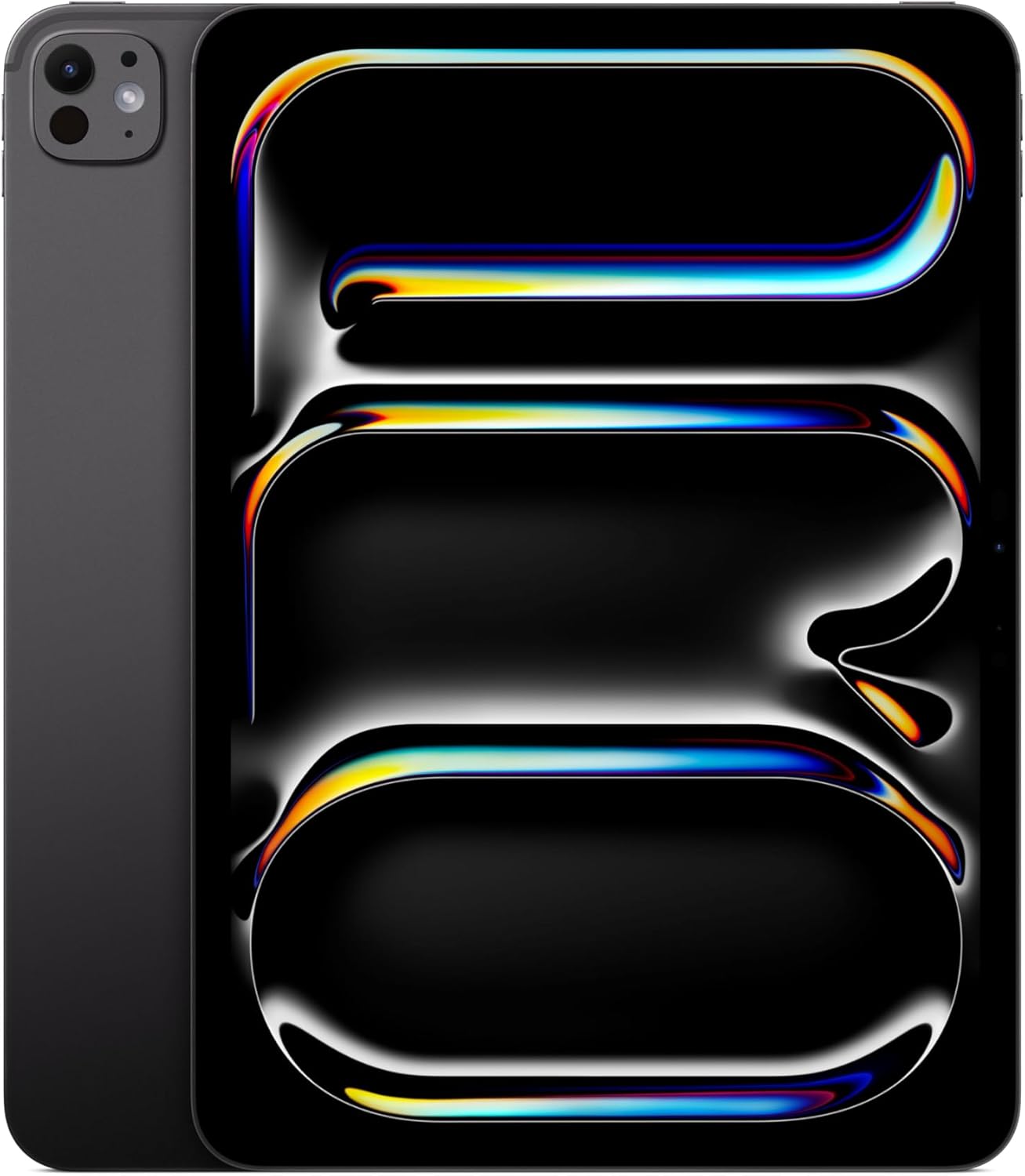
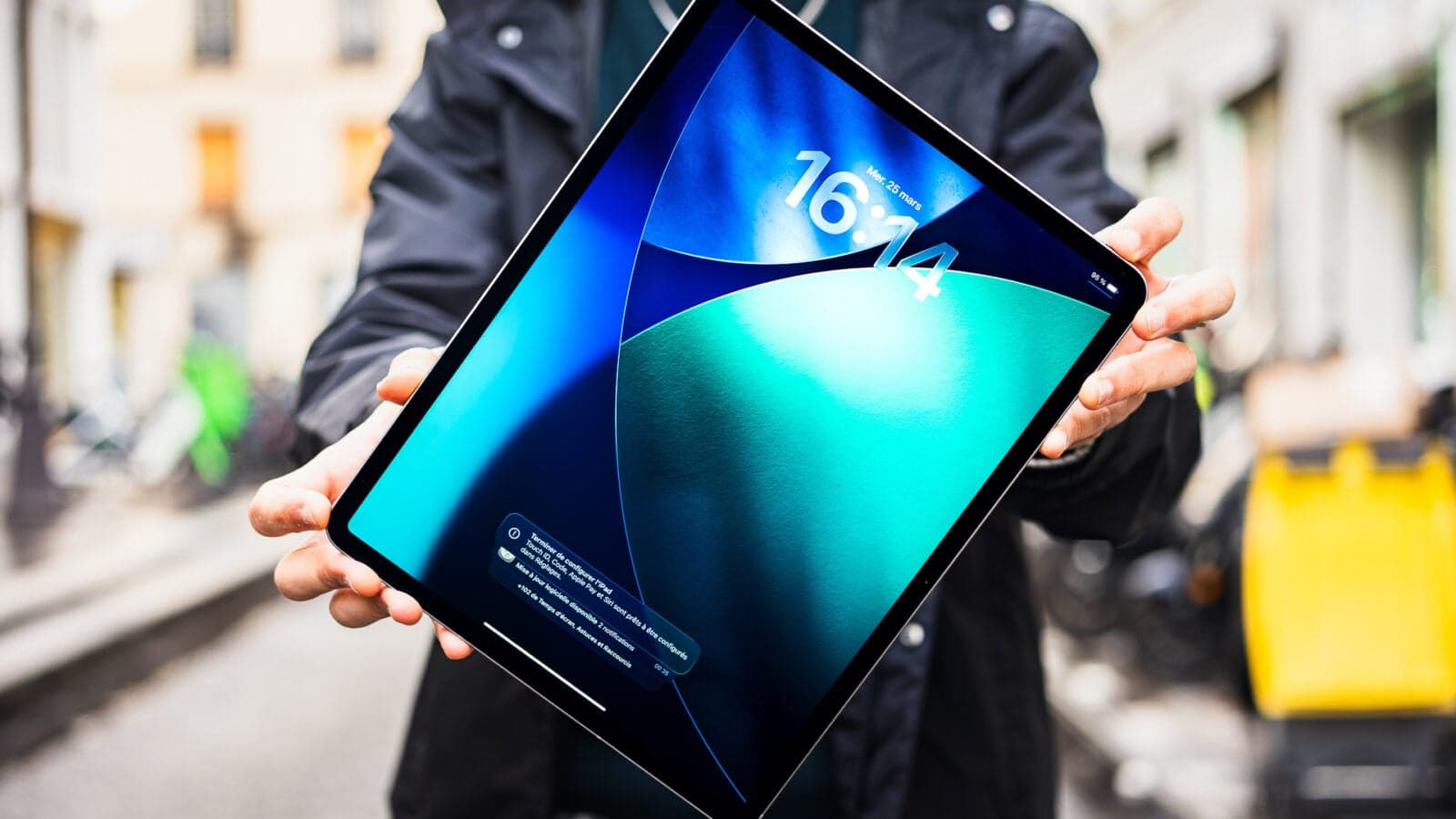
- Test winner — Apple iPad Pro 11-inch (2025). Notebook-class performance from the M5 processor, an excellent 120-hertz OLED display and up to 15 hours of battery, graded "very good" (1.2), from around 945 euros.
- Price tip — Honor Pad 10. A 12.1-inch 120-hertz display, the field's longest battery life of 16:42 hours and updates until 2031 for as little as 229 euros — "good" (1.9) with the best-possible value rating.
- Best Android tablet — Samsung Galaxy Tab S11 Ultra. A colossal 14.6-inch OLED panel in a 5.1-millimetre body, flagship performance and the S Pen in the box, graded "very good" (1.3), from around 917 euros.
- Equally superb — Apple iPad Pro 13-inch (2025). The same M5 platform behind the field's best display grade (1.0), for those who want maximum canvas, from about 1,192 euros.
- Price-tip alternative — Honor MagicPad2. A 144-hertz OLED display and near-flagship performance for around 360 euros, graded "good" (1.7).
- The compact Samsung — Galaxy Tab S11. The Ultra's brains in an 11-inch, 468-gram body with the brightest display in the field, from around 559 euros.
- Cheapest good iPad — Apple iPad 9 (2021). Dated design, modest display, but strong performance and 11-hour endurance for about 299 euros ("good", 2.5).
- Compact pick — Apple iPad mini 6. The 8.3-inch, 297-gram option for readers and travellers, from around 599 euros.
The Winner: Apple iPad Pro 11-inch (2025)
At 11 inches, this iPad Pro is the compact version of Apple's flagship, and in the test it is simply the most complete tablet: "very good" grades in every single category. The M5 processor delivers genuine notebook-level performance that shrugs off apps, gaming and AI workloads alike — with one configuration subtlety worth knowing: only the variants from 1 terabyte of storage get the 10-core version with 16 gigabytes of RAM, while the cheaper models run 9 cores and 12 gigabytes. In practice both fly.
The 11-inch OLED display (grade 1.1) shows a sharp, saturated picture with strong contrasts, a high maximum brightness measured at 983 candela per square metre and a 120-hertz refresh rate; an anti-reflective nanotexture glass is available at a surcharge. Battery life lands between roughly 13.5 and 15 hours depending on use — 15:18 hours in the video test — with half a charge after 30 minutes and a full one in around two hours. The equipment is uncompromisingly current: Wi-Fi 7, Bluetooth 6, USB-C at USB-4/Thunderbolt speed, four good stereo speakers, storage from 256 gigabytes to 2 terabytes, optional 5G via eSIM, and two very good 12-megapixel cameras with 4K video at the back and Face ID at the front. At 445 grams and 5.3 millimetres it barely announces itself in a bag.
The gripes are Apple-typical: the Pencil costs extra, there is no memory-card slot, and the full feature set is reserved for the expensive configurations. At around 945 euros the value verdict reads "expensive" — but nothing else in the field earns the crown.
The Price Tip: Honor Pad 10
Related Articles
The Honor Pad 10 demonstrates how much tablet 229 euros now buys. Its 12.1-inch LCD (IPS) display is unusually large for the money and genuinely good: crisp sharpness, respectable brightness, precise colours and a smooth 120-hertz refresh rate (display grade 2.3). The battery is the star — 16:42 hours of continuous use was the longest video runtime in the entire field, and 30 minutes of charging restores 32 per cent. The Snapdragon 7 Gen 3 with 8 gigabytes of RAM works and surfs without stutter, including most demanding tasks; only true high-performance workloads are beyond its station.
The savings are honest and visible. Neither the compatible stylus nor a charger ships in the box, there is no memory-card slot, no cellular option and no fingerprint sensor, and the cameras are middling — fine in daylight, noticeably weaker in dim light, sufficient for video calls. Six speakers produce a pleasant sound, the case feels robust and comfortable despite the size, and Android updates are promised until 2031. Graded "good" (1.9) with the field's best value rating (1.0), it is the default recommendation for everyone who mostly streams, reads and browses.
Best Android Tablet: Samsung Galaxy Tab S11 Ultra
Samsung's flagship sets standards. The 14.6-inch OLED display convinces with very high brightness — measured above 1,200 candela per square metre — strong colours, crisp sharpness, effective anti-reflection coating and a fluid 120 hertz; at 5.1 millimetres the body is remarkably thin, though the sheer area brings the weight to 695 grams. The MediaTek Dimensity 9400+ with 12 gigabytes of RAM delivers outstanding performance that the test placed on eye level with Apple's M4 — nothing in the Android catalogue troubles it.
Endurance is thoroughly practical: around 14.5 hours of video playback, with half an hour of charging lifting the battery to about 36 per cent — though the full charge of 2:13 hours is on the long side. The equipment grade of 1.1 reflects a complete package: Wi-Fi 7, Bluetooth 5.4, fast USB-C 3.2, a memory-card slot, a fingerprint sensor and — unlike Apple — the S Pen included in the box. The dual main camera with ultra-wide lens and the 4K-capable front camera deliver good to very good results. AI features from live assistance to text generation and sketch tools mostly want an internet connection, which makes the optional 5G worth considering. Graded "very good" (1.3) from around 917 euros — our full review of the Galaxy Tab S11 Ultra digs into the details.
Equally Superb: Apple iPad Pro 13-inch (2025)
Related Articles
Technically this larger iPad Pro is the winner writ large: the same M5 processor, the same modern equipment, the same very good 12-megapixel camera pair. Its OLED display earned the field's best grade (1.0) — sharp, enormously bright at a measured 1,020 candela, wide colour spectrum, 120 hertz, with the optional nanotexture glass suppressing reflections at a small cost in contrast in bright rooms. The battery manages around 15 hours of video and 12 under workload; charging takes just over two hours, with 30 minutes covering half. The 11-inch model lasts slightly longer and weighs 140 grams less, which is why it takes the crown — but for anyone whose tablet is a workstation or cinema first, the 13-inch canvas from around 1,192 euros is the better tool. The value verdict ("expensive", 4.4) knows what it is.
The Price-Tip Alternative: Honor MagicPad2
Between the budget and flagship classes, the MagicPad2 stakes out remarkable territory at around 360 euros. Its 12.3-inch OLED display runs at a lavish 144 hertz with good brightness and lovely saturated colours — only full coverage of the wide P3 colour range for HDR content is missing. The Snapdragon 8s Gen 3, a slightly lower-clocked take on the flagship processor, delivers excellent performance with improved energy efficiency, and the battery follows through: almost 14 hours of video and around 10 under load. Eight stereo speakers sound good, and both cameras deliver very good image quality.
The economies hide in the connectivity list: the USB-C port still speaks the old USB-2 standard, Wi-Fi 6 has been overtaken by newer standards, storage cannot be expanded by microSD and no cellular variant exists. None of that dents the verdict of "good" (1.7) — for films, games and everyday work, this is the sweet spot between the Honor Pad 10 and the flagships.
The Compact Samsung: Galaxy Tab S11
The standard Tab S11 packs the Ultra's engine — the same Dimensity 9400+ with 12 gigabytes of RAM and the same superb performance — into an 11-inch, 468-gram, 5.5-millimetre body. Its OLED display was measured as the brightest in the entire field at 1,253 candela per square metre, with sharp, saturated 120-hertz rendering (grade 1.4). Battery life is good rather than heroic — the smaller cell simply has less to give than the Ultra's: around 12.5 hours of video and just over 10 with workload, with half the battery restored in 30 minutes but a full charge taking 1:45 hours. The equipment (grade 1.2) concedes only Wi-Fi 6E instead of 7: memory-card expansion, modern USB and Bluetooth, an included S Pen, optional 5G by eSIM, good-to-very-good single cameras front and back, and seven years of updates until 2032. From around 559 euros, it is the Android pick for everyone the Ultra is simply too big for.
The Budget iPads
Apple iPad 9 (2021): the 299-euro entry ticket
The ninth-generation iPad remains the cheapest good route into Apple's ecosystem. Its strengths have aged well — the A13 processor still powers demanding mobile games smoothly, the battery ran over 11 hours, and the main camera takes high-quality photos in any light. The compromises have aged less gracefully: the 10.2-inch display is merely adequate (grade 3.9), the dimmest in this selection at 498 candela and locked to 60 hertz, the design clings to the Lightning connector instead of USB-C, and neither 5G nor Wi-Fi 6 is aboard. At around 299 euros, the verdict of "good" (2.5) is honest: a capable streaming and reading slab, not a modern all-rounder.
Apple iPad mini 6: the 297-gram travel companion
The iPad mini earns its place through format alone: 8.3 inches and 297 grams make it the only pick that disappears into a coat pocket. The display is very sharp and convincingly bright, if limited to 60 hertz (grade 2.5), and the A15 processor delivers flawless performance (1.4). Endurance is the weak point — about 10.5 hours in the online test, with a full charge taking around three hours — and serious work feels cramped on the small screen. With multiple storage tiers and a 5G option from around 599 euros, it is the reader's and traveller's choice, and the only serious compact option in the entire test field.
What the Display Measurements Reveal
The laboratory numbers put the marketing in perspective. Brightness in this selection alone spans from 498 candela per square metre on the ageing iPad 9 to 1,253 on the Galaxy Tab S11 — a difference that decides whether a screen stays readable on a balcony in summer. Above roughly 1,000 candela, as on both iPad Pros and both premium Samsungs, outdoor use stops being a compromise. Refresh rate is the second number worth reading: the budget iPads still render at 60 hertz, where every current recommendation above them runs 120 hertz or more, and the difference shows most in scrolling text, which stays legible in motion instead of smearing. Pixel density, by contrast, has quietly stopped mattering — everything in this field sits between a sharp 239 and a razor-fine 327 pixels per inch, and at typical viewing distances all of it looks crisp.
Stylus, Keyboard and Accessories
The accessory question separates the platforms more than the hardware does. Samsung ships the S Pen in the box with both Tab S11 models; Apple supports the Pencil across the iPad range but always charges extra for it, and the Honor tablets take the same approach with their compatible styluses. Anyone planning handwritten notes or sketching should price the pen into the comparison from the start — it shifts the real cost of an iPad Pro by a three-figure amount once a keyboard case joins it. Keyboard covers themselves turn the larger tablets into credible notebook substitutes, and the 14.6-inch Ultra explicitly courts that role; for people who want the convertible form factor first and the tablet second, dedicated 2-in-1 devices are their own category with their own trade-offs.
Which Size, Which System?
Tablets span from 7-inch models barely larger than a big phone — and usually priced accordingly — to 14.6-inch giants that position themselves as notebook substitutes. The trade-off is straightforward: large models can weigh up to 700 grams, which travels badly, while sub-300-gram minis carry easily but offer little room for handwriting or drawing. Match the size to the use, not to the spec sheet.
The second axis is the operating system. Most tablet users run Android, with nearly all the rest on Apple's system, and the two ecosystems are not compatible with each other — nor with desktop Windows software. In practice this matters less than it sounds: both major app stores carry vast, largely free catalogues covering every category, and standard photo, video and document formats move freely between platforms. Anyone plugging a keyboard and mouse into a tablet can build a small mobile workstation on either side of the divide.
What to Look For When Buying
The display: resolution first
The display carries the strongest weighting in the test for good reason. IPS panels are the widespread standard and deliver at least good contrast and viewing-angle stability even in cheap models; OLED and AMOLED promise — and deliver — deeper blacks, brilliant colours and stronger contrasts, though a high-density, bright IPS panel can still score excellently. Personal taste plays a genuine role: what one buyer admires as vivid colour another finds garish, so look at the panel in person whenever you can.
Performance: the processor and its memory
A tablet's engine is its SoC — the package that integrates the processor cores and every relevant function on one piece of silicon. Apple builds its own — the A-series shared with its phones, and the notebook-class M-series in the top iPads — while the Android field runs mostly on Qualcomm's Snapdragon line plus MediaTek and Samsung designs, each in top and mid-range tiers. A money-saving pattern from the test: last year's premium silicon routinely beats this year's mid-range at the same price. RAM matters too — top models now carry 8 to 16 gigabytes where 3 or 4 were once standard — but treat the figure as a rough guide rather than a verdict; the system has to use it well.
Battery: capacity is not endurance
Runtime depends on the interplay of battery capacity and demand, and the test's measurements show how misleading raw capacity is: some tablets with the largest cells manage 8 to 13 hours, while models with half the capacity run 15. Stronger processors draw more power, big displays light more area, and Apple's tight integration of processor, hardware and system typically stretches endurance further than the spec sheet suggests. Bright white pages — browsing, e-books — drain faster than dark film scenes. Read measured runtimes, not milliamp-hours.
Equipment: storage, ports and the rest
Storage spans 8 gigabytes to 2 terabytes across the market. Eight is only enough for e-books, 16 is the practical minimum once the system takes its share, and a microSD slot is the cheap escape hatch — one that Apple, among others, no longer offers. Radios rarely disappoint: Wi-Fi and Bluetooth are universal, and the newest versions matter little in daily use. The USB standard matters only for heavy file transfers — USB 2 versus USB 3 is then noticeable — and cameras and speakers deserve exactly as much weight as you will actually give them: for most people that means video calls and headphones, so neither should decide a purchase alone. If photography matters to you, a good phone remains the better camera — see our camera phone guide.
Frequently Asked Questions
What can you actually do with a tablet?
Almost anything a computer can, given the right app. Typical strengths are reading, streaming, browsing and shopping; long-form writing remains more comfortable on a PC with a proper keyboard.
How do I connect a tablet to my phone?
The simplest route is a shared Wi-Fi network — with both devices connected, photo and video exchange takes seconds. Wi-Fi Direct connects the two directly: activate it in the wireless settings on both devices, select the counterpart, and the link is established.
How much do you need to spend?
Basic tablets exist under 100 euros but do little well. Sensible value picks start around 200 euros, decent mid-range models run 350 to 400 euros, and 700 to 1,000 euros is now normal for top devices on both platforms — with a fully equipped flagship iPad reaching 2,000 euros. Check which configuration of your chosen model actually matches your needs before paying for the biggest one.
What is the difference between a tablet and an iPad?
None in kind — every iPad is a tablet. The iPad is simply Apple's model line, the oldest still running and the one that made the category succeed, which is why it often sounds like its own device class. Samsung, Lenovo, Xiaomi, Honor and Amazon build the other side of the market on Android; standard file formats work identically on both.
Are tablets under 100 euros worth buying?
Rarely. Basic models exist at that price, but weak panels, cramped storage and sluggish processors limit them to little more than casual reading. The step to a 200-euro-class device like the Honor Pad 10 buys a disproportionate jump in display, endurance and lifespan.
How the Tablets Were Tested
Every model passes an identically defined laboratory procedure, so all results within a category are directly comparable. The overall grade combines four components. Display quality (35 per cent) rests on measurements rather than eyeballing: brightness, contrast, viewing angles, reflections, colour-space size and white-point neutrality, plus pixel density. Performance (25 per cent) combines hands-on assessment with cross-platform benchmarks. Battery (20 per cent) measures runtime in browsing and video scenarios at a fixed 200 candela and 60 hertz for comparability, plus full and 30-minute charging times. Equipment (20 per cent) works through a checklist of storage, connectivity, cameras, styluses and extras — including an app-store rating that gives full marks to the two big stores and grades restricted catalogues by how completely they cover essential apps.
The Bottom Line
Seventy-one tested tablets sort into unusually clean recommendations. The iPad Pro 11-inch wins as the most complete device in the field; the Galaxy Tab S11 Ultra is its Android equal for people who think in square centimetres, and the smaller Tab S11 delivers the same engine for 559 euros. The Honor Pad 10 at 229 euros answers the question most buyers actually have — films, browsing, reading, long battery — with the field's best value rating, and the MagicPad2 upgrades that formula with OLED and near-flagship pace. Buy the display quality and measured battery life first, the processor tier second, and the megapixels never.