
Quick Specs
Our Verdict
The Honor Pad X9 Max combines a genuinely good 13-inch IMAX Enhanced display, a capable four-speaker system and a large battery with useful accessories, which makes it an easy recommendation for media, reading, video calls and light productivity. The reservation is the processor: the Snapdragon 6s Gen 2 with 4 GB of RAM on the base model falls short of what the rest of the hardware sets up, so anyone who needs smooth gaming, media editing or heavy multitasking should look at more balanced alternatives.
Research sources
Sources recorded for this page are linked below. Reported third-party testing belongs to the original publisher; it is not testing performed by Truthful Reviews.
Our editorial process
Research method, author and affiliate-independence details
Our editorial process
Research method, author and affiliate-independence details
Prepared by our editorial team using verified source material, product research, and a British-English editorial rewrite before publication.
- We review the working bundle for product facts, comparisons, and buyer-relevant tradeoffs before publishing.
- Non-English source material is translated into British English and rewritten into our house style without carrying over publication branding.
- Affiliate links and price references are handled separately from editorial judgements and never determine the verdict.
Read our full methodology: how we review
Affiliate links never determine our verdicts. Commercial relationships are disclosed separately from the editorial assessment, and we aim to keep buyer guidance clear, specific, and evidence-based.
Pros & Cons
Pros
- Bright 13-inch display reaching 700 nits with 120 Hz refresh and IMAX Enhanced compatibility
- Four-speaker DTS X Ultra sound that suits shared viewing
- Solid 6.72 mm metal chassis at a reasonable 618 grams for the size
- 10,100 mAh battery with 45 W fast charging and seven to eight hours of mixed use
- AI Memo transcription and meeting summaries are genuinely useful
- No thermal throttling, with stability above 95% in stress testing
Cons
- Snapdragon 6s Gen 2 and 4 GB of RAM on the base model limit performance
- Weak graphics results make it a poor choice for gaming
- Battery life does not stand out against rival tablets
- Power button grouped with the volume keys causes accidental presses
- Wi-Fi 5, Bluetooth 5.1 and USB-C 2.0 are behind expectations
- Keyboard has no touchpad and no backlighting
- No headphone jack and no pogo pins for accessories
Full Specifications
Key Features
Bright 13-inch display reaching 700 nits with 120 Hz refresh and IMAX Enhanced compatibility
Four-speaker DTS X Ultra sound that suits shared viewing
Solid 6.72 mm metal chassis at a reasonable 618 grams for the size
10,100 mAh battery with 45 W fast charging and seven to eight hours of mixed use
AI Memo transcription and meeting summaries are genuinely useful
No thermal throttling, with stability above 95% in stress testing
A 13-inch tablet built around media
Honor has spent several generations building a complete tablet proposition: the Play Store, the applications and a broader ecosystem are all in place, and the hardware has been aimed squarely at the best tablets on the market. The Pad X9 Max is the most ambitious version of that project so far.
The headline numbers are 13 inches, 6.72 mm thick and 618 grams, with a display carrying IMAX Enhanced compatibility. Combined with a four-speaker array and matching content, that turns this large-format tablet into a device worth dimming the lights for. With the optional keyboard and stylus it also aims to be a portable machine you can get some work done on.
Design: thin, metal and solidly built
Tablets have few chances to stand out in a design language that has barely changed in years, so thickness and weight tend to carry the argument. That is exactly where this Honor attacks, at 6.72 mm — and it does not get there by cutting corners on materials. The chassis is entirely metal, and in the hand it feels solid throughout, with no area where the aluminium gives under pressure. Rival flagship Android tablets are slimmer still, but the difference is hard to feel by hand and impossible to notice in a bag.
At 618 grams the weight is reasonable for a 13-inch panel. What is more noticeable during long one-handed reading or viewing sessions is the format itself: 13 inches invites you to rest the tablet on a surface or on your lap rather than hold it up, and the Pad X9 Max works well used that way.
The bezels are even and restrained. The rear camera module protrudes slightly from the chassis, but discreetly, and it does not make the tablet rock when it lies flat on a table.
One ergonomic detail proved irritating from the first use: the power button is grouped with the volume controls on the same edge. Most tablets separate the two so a hand can find them without looking, and with all three together, waking the screen frequently ends in an accidental volume change, while a volume adjustment can switch the screen off at the worst moment.
Physical connections are limited. There is no headphone jack and no pogo pins for connecting the accessories directly, so that has to happen over Bluetooth. Wireless and wired standards also fall well short of what the rest of the hardware deserves: Wi-Fi 5, Bluetooth 5.1 and USB-C 2.0.
Display: 700 nits and IMAX Enhanced
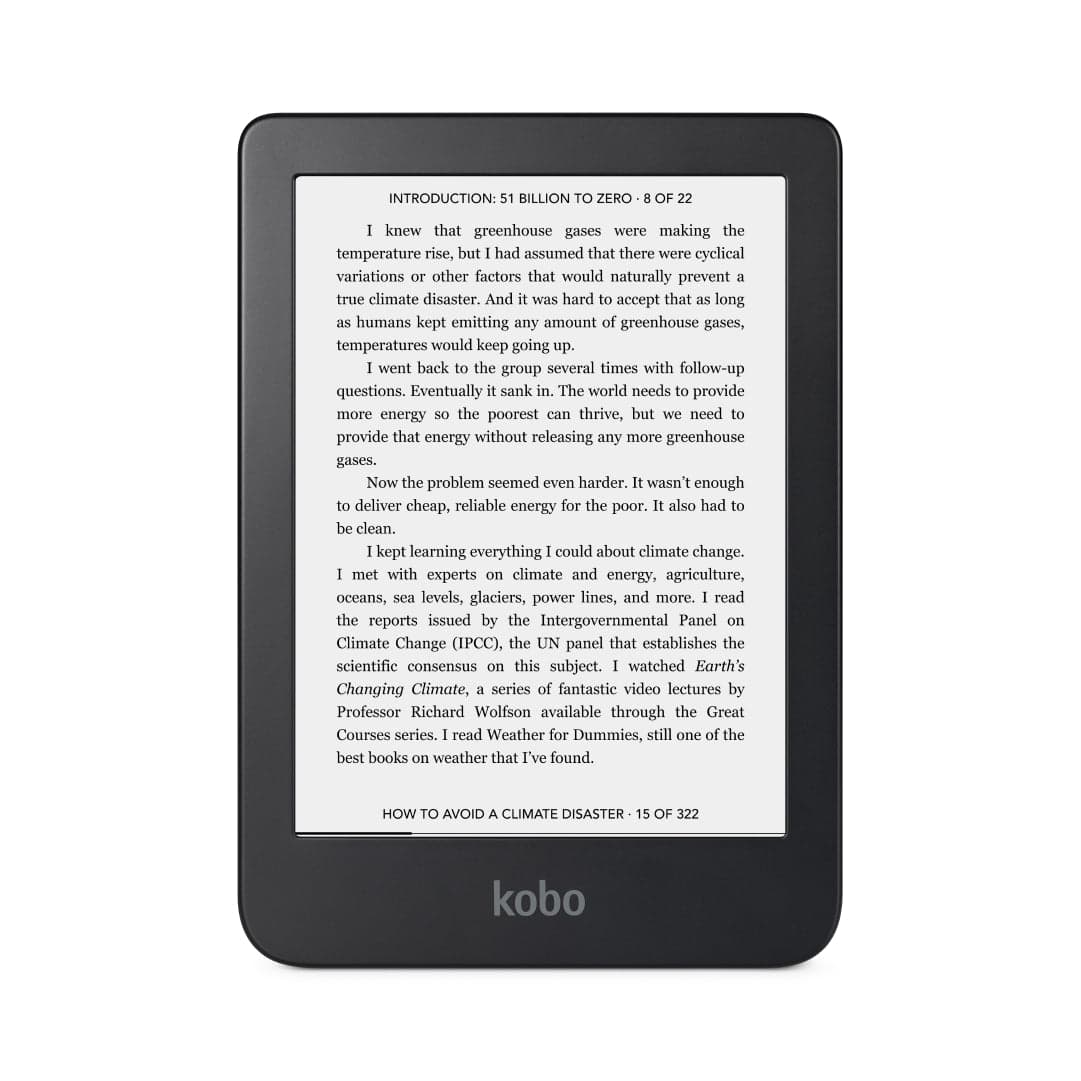
On a large tablet the screen matters even more than usual, and this panel is the strongest part of the product. It measures 13 inches at 2500 x 1560 pixels, which works out at 228 pixels per inch and delivers comfortable sharpness for the diagonal, with crisp text and well-defined interface elements at any normal viewing distance.
The stand-out figure is 700 nits of peak brightness, and it is what most separates the Pad X9 Max from much of the competition. At that level the tablet can be used comfortably outdoors in natural light without content becoming hard to read.
The 120 Hz refresh rate makes the interface fluid and scrolling through web pages and documents natural. Refresh handling is left to the user: it can be fixed at 60 or 120 Hz, or left dynamic under the operating system's control, and the dynamic setting is the sensible default outside very specific uses.
Honor has also secured IMAX Enhanced compatibility here, so with a subscription to a supported platform, content plays with the image and sound treatment that format specifies. For anyone whose priority is watching things, that is a genuine extra. DC dimming is included to remove backlight flicker at low brightness levels.
Sound comes from four speakers rather than the six often fitted to premium tablets, but the difference is not really apparent: volume, tonal quality and the sense of immersion from the DTS X Ultra processing all comfortably do the job. On a large tablet that will inevitably be used to watch something in company without headphones, that matters.
Performance: the processor the rest of the hardware does not deserve
For some buyers the processor, and therefore performance, is what really defines the class a device competes in. Here it is a Qualcomm Snapdragon 6s Gen 2, a lower-mid-range 4G part with no 5G support. In the Geekbench 7 benchmark it recorded 513 points in single core and 1744 in multi core — figures that sit clearly below current mid-range chips and some way behind any rival with similar screen ambitions.
Benchmarks are only part of the story. The PCMark Work 3.1 result of 8660 points is the most favourable number of the set and the one that best reflects everyday productivity: document editing, web browsing, video calls and spreadsheets. In that scenario the tablet is fluid with no perceptible friction, and that is precisely the use it was designed for. The problem appears when the 13-inch screen and its accessories tempt you to ask for more, because the Snapdragon 6s Gen 2 reaches its ceiling quickly.
That is most obvious graphically. The 3DMark Wild Life test returned 654 points and the Extreme version 135, which shows up in games; this is not the machine for that. The better news is that there is no thermal throttling at all, with stability above 95% in stress testing, and no warming that makes the tablet uncomfortable to hold.
The testing was carried out on the entry configuration with 4 GB of physical RAM, extended by 12 GB of virtual memory through the RAM Turbo feature, so the 6 GB version is the one worth choosing. The 128 GB of storage is workable for streaming and documents but fills quickly with video, photos or larger applications. A 256 GB version exists, and the microSD slot supporting up to 2 TB is more of a necessity here than an option.
AI Memo and productivity

Artificial intelligence is doing something for Android tablets that the app ecosystem rarely managed on its own: giving the software genuine prominence. Honor has built a productivity argument around this tablet that goes beyond the hardware, and its most interesting element is AI Memo.
AI Memo acts as an assistant for online meetings held in any video-calling application. Once a call starts the assistant offers itself as an aid; launched, it recognises the context, follows the meeting by taking notes from its transcription, and can then produce minutes, summaries or an outline of the key points. It sits within the wider AI Notes feature, which can also work on other audio or text passed to it. Transcription accuracy proved good in the recorded test, with reasonably low latency and acceptable summary quality, and it works in languages beyond English. The processor did not act as a bottleneck, but a lack of nimbleness was noticeable, and the occasional sentence was lost from the transcription.
Honor's own applications are well integrated, particularly for file management and multitasking, and Honor Connect extends that to other devices of the brand and to Windows, iOS and Android machines. There is, inevitably, a helping of pre-installed extras nobody asked for. MagicOS 10 runs on top of Android 16 and leaves nothing obvious missing against direct rivals, while allowing significant interface customisation.
Battery, stylus and keyboard
The 10,100 mAh battery is one of the strongest arguments here and the one least affected by the processor. With mixed use — a lot of streaming, some reading, plenty of web browsing and some productivity work with the keyboard and stylus connected — and brightness at 50%, the tablet averaged between seven and eight hours of real use in the recorded test, which could be stretched by another couple of hours on video alone. That is correct and sufficient for the class it plays in. Fast charging is handled by 45 W SuperCharge, which matters on a battery this large.
Like any ambitious tablet above 11 inches, the Pad X9 Max can be extended with a keyboard and a stylus. The keyboard doubles as a case, connects wirelessly and adds little weight or thickness, but there is no touchpad, which is sorely missed when working seriously on a screen this size. It is a fairly basic unit with no backlighting, though it is comfortable, precise enough to type on, with sufficient travel and without being especially noisy.
The stylus is the Honor Magic-Pencil 4s, charged over USB-C, and it writes on screen with low latency and pressure sensitivity. Like the keyboard it is a sound companion for note-taking and occasional sketching rather than a professional tool.
Ready to Purchase?
Check current prices and availability
Affiliate Disclosure: As an Amazon Associate I earn from qualifying purchases. Truthful Reviews may receive a commission when you buy through eligible Amazon UK or Amazon US links, at no extra cost to you. Affiliate partnerships never determine our verdicts or recommendations.